
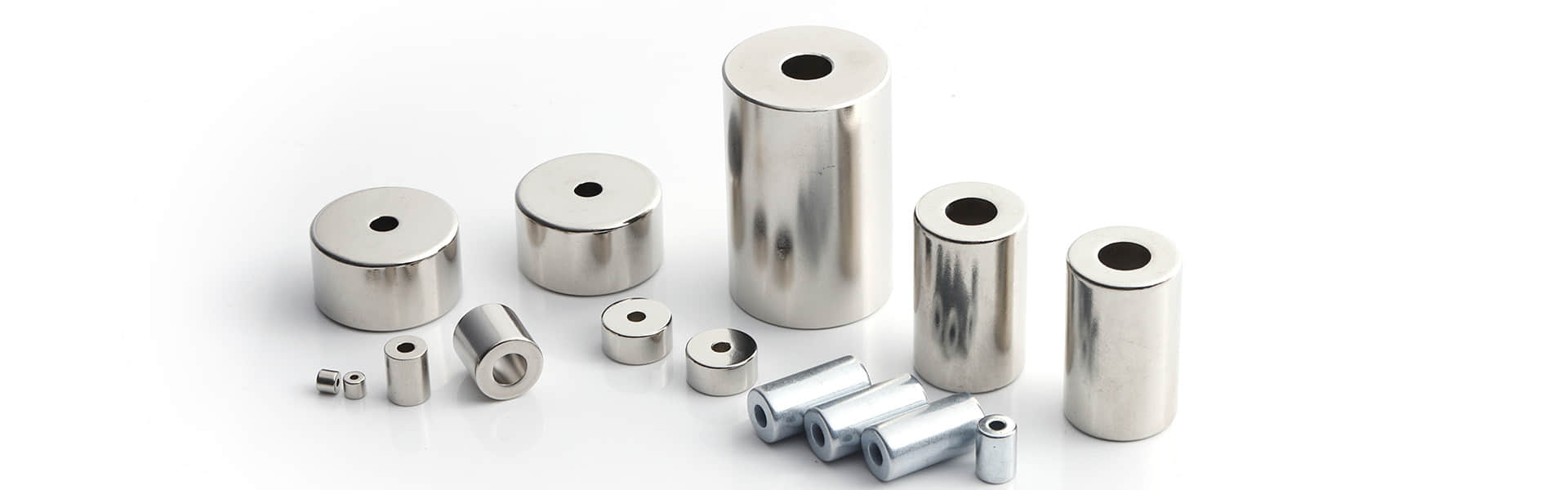
How to Choose Screw-Mounted Neodymium Magnet Assemblies: Channel, Pot and Hook Options
How to Choose Screw-Mounted Neodymium Magnet Assemblies: Channel, Pot and Hook Options
A screw-mounted magnet assembly combines a neodymium magnet with a steel housing, mounting feature or working attachment. This makes installation easier and can protect the brittle magnet material, but the best construction depends on how the part is fixed, what it contacts and how the load acts in service.
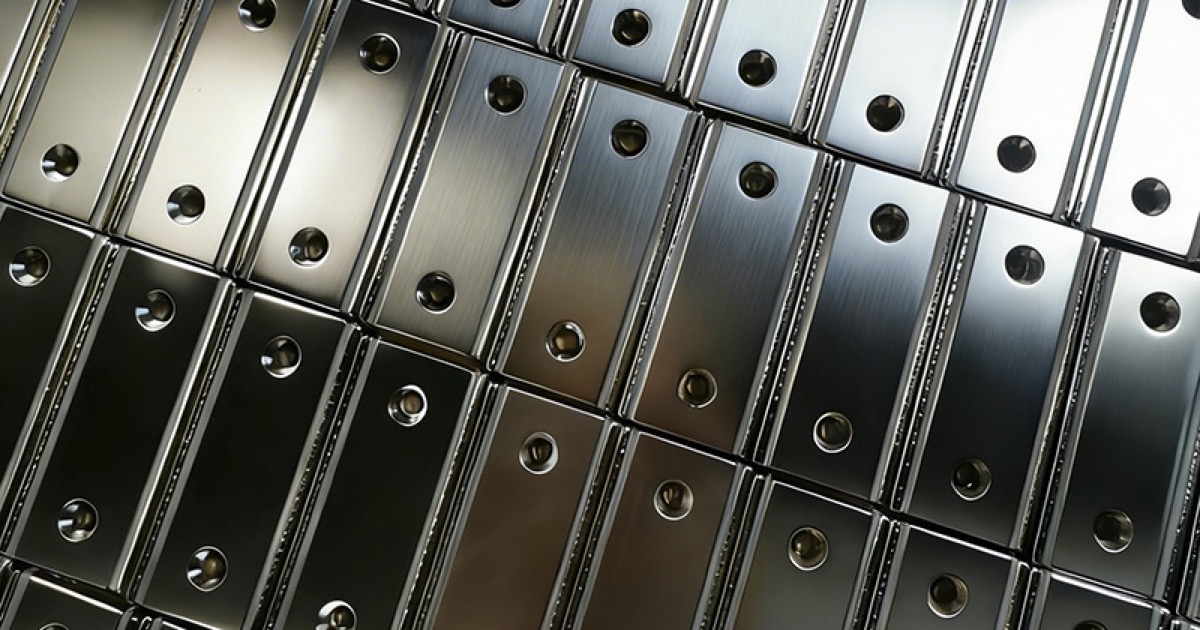
Figure 1. Real nickel-plated channel magnets with countersunk mounting holes for screw-fastened installation.
Start with the mounting and load path
First decide whether the assembly will be fixed to wood, plastic, aluminum or another non-magnetic structure, and whether it will hold against a flat steel target. A magnet is usually rated under controlled direct-pull conditions, so the real holding result can be lower when the target is thin, painted, uneven or loaded in shear.
For a mounted assembly, the screw, substrate and housing also become part of the load path. Confirm that the screw head fits the counterbore or countersink, that the fastener does not protrude into the working face and that the mounting material can resist the expected force.
Question | Why it matters |
How is the magnet fixed? | Choose a channel, countersunk pot or threaded/hook construction that matches the available mounting feature. |
What is the mating surface? | Flat, clean, thick mild steel gives the most reliable holding condition; coatings and gaps reduce it. |
What is the load direction? | Direct pull, shear, peel and vibration demand different safety margins and mounting checks. |
What environment will it see? | Humidity, salt exposure, temperature and abrasion affect the coating and housing choice. |
1. Channel magnets for long screw-fastened contact
A channel magnet commonly uses a neodymium magnet inside a plated steel channel, with one or more countersunk mounting holes. The long rectangular body suits cabinet latches, door catches, jigs, signs and fixtures where screws can be spaced along a line.
Check the overall length and width, the hole spacing, screw-head clearance and the direction in which the target will pull away. The steel channel is part of the magnetic circuit, so drilling, cutting or changing the assembly after manufacture can alter both the mechanical and magnetic result.
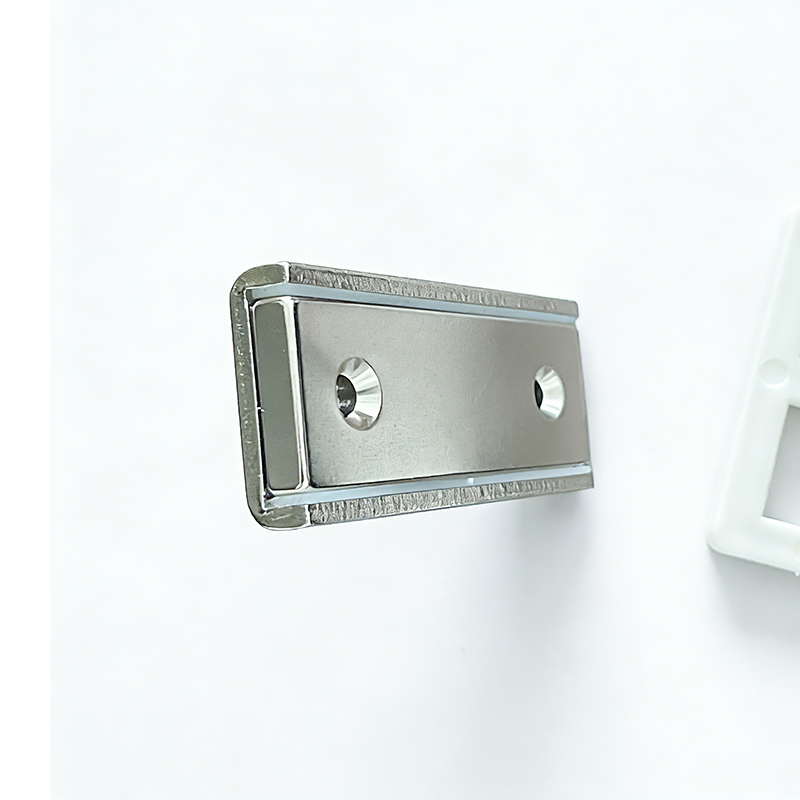
Figure 2. Real channel magnet showing the steel channel body and two countersunk holes for flush screw mounting.
2. Countersunk pot magnets for compact mounting
A countersunk pot magnet places the magnet in a steel cup and provides a central countersunk hole for a screw. It is useful when a compact round attachment point is needed and the target surface is reasonably flat. The cup helps focus flux toward the working face while helping protect the magnet from side impact.
Specify whether the screw must sit flush, the allowable assembly thickness and the required contact diameter. Also avoid selecting only by a catalogue pull-force figure: a small air gap from paint, tape, dust or an uneven target can reduce practical holding strength significantly.
3. Magnetic hooks when the attachment point must hang a load
A magnetic hook packages a pot-style magnet with a threaded hook, giving a ready-made hanging point for tools, cables, signs or temporary organization on steel. It can simplify installation, but the hook changes the load direction: hanging loads are often a shear or peel condition rather than a straight pull.
For a safe selection, identify the target thickness and finish, the load direction, whether the load may swing and the intended safety factor. Use the supplier's working-load guidance for the exact assembly, and do not treat a nominal pull-force value as a lifting rating for people or critical loads.
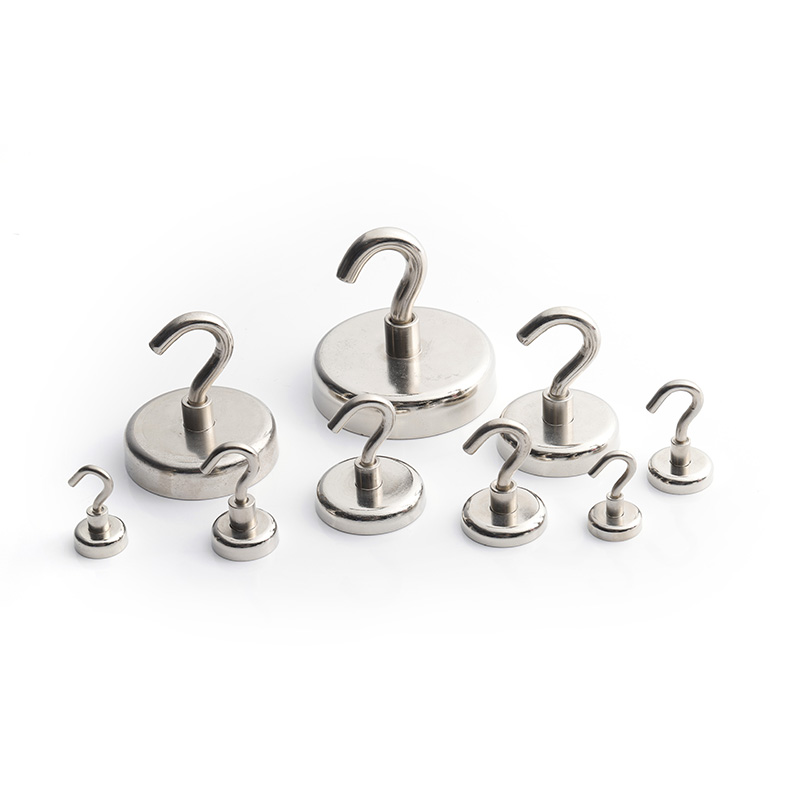
Figure 3. Real magnetic hook assemblies in several diameters for removable hanging points on steel surfaces.
What to include in an RFQ
· Assembly type: channel magnet, countersunk pot magnet, hook or a custom mounting construction.
· Overall dimensions, hole size and spacing, screw type and the available mounting substrate.
· Target steel thickness and finish, plus the expected air gap, paint layer or protective pad if used.
· Expected load direction, vibration or shock exposure and the safety factor required by the application.
· Coating, corrosion exposure, temperature range, quantity and any packaging or labeling needs.
A practical selection approach
Choose a channel magnet when a longer body and several mounting points suit the design. Choose a countersunk pot magnet when a compact, central screw attachment is more useful. Choose a magnetic hook when the application needs a removable hanging point rather than a custom bracket. In every case, validate the part on a representative target surface before releasing a high-volume design.