
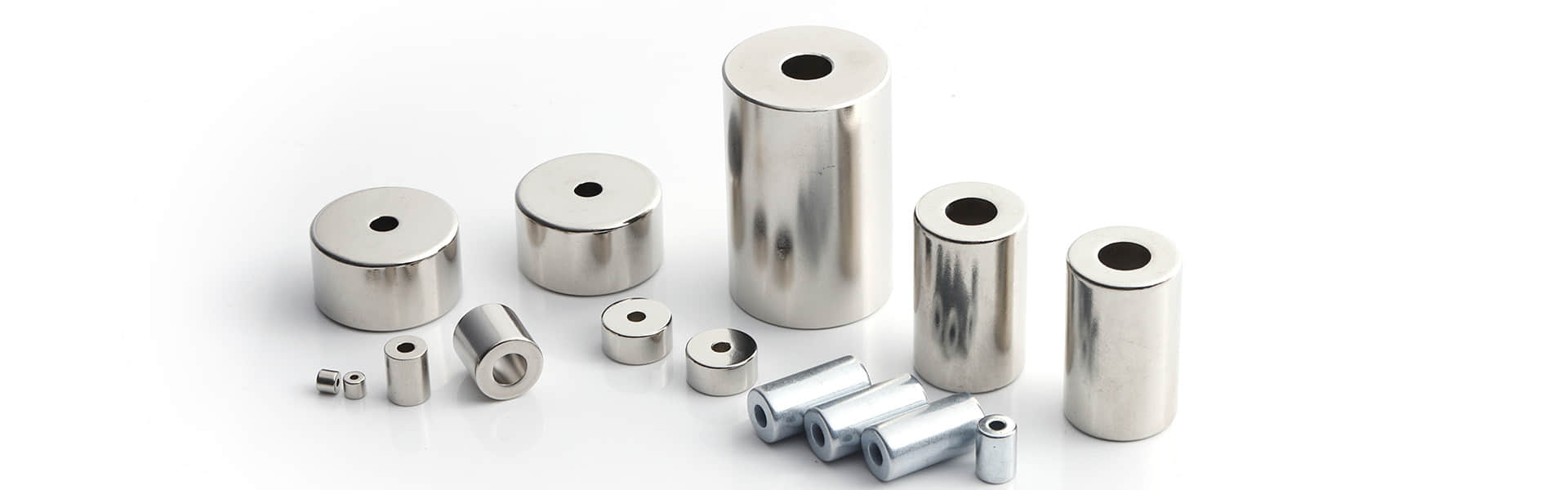
Neodymium Magnet Receiving Inspection: A Practical Buyer Checklist
A shipment of neodymium magnets can match its purchase order on paper and still need a receiving check before assembly. The buyer should confirm that the cartons contain the intended part, that the visible condition is acceptable and that any agreed measurements or magnetic checks have been completed.
This checklist starts when the magnets arrive. It assumes the drawing, order and acceptance criteria have already been agreed. The scope and sampling plan for each check should follow the requirements of the actual project.
Match the shipment to the approved order
Compare the packing list and carton labels with the purchase order and approved drawing revision. Confirm the part number, quantity, material or grade description, coating, magnetization requirement and any batch or lot identification specified for the order. Keep the documents with the received material.
If the carton or inner pack uses a code that does not match the order, resolve the identity before moving the parts into assembly stock. An attractive product photograph or a familiar shape is not enough to establish that the correct magnet arrived.
Check packaging and visible condition
Look for damaged cartons, displaced separators and magnets that have shifted or struck one another in transit. Follow the agreed safe handling method while opening the package, especially where strong attraction could pull parts together unexpectedly.
Inspect a sample of the finished magnets for chips, cracks, corrosion, peeling or uneven coating, and other visible differences from the approved reference. Record the number and location of any affected pieces. Visual appearance can reveal a concern, but it cannot by itself confirm the specified grade or magnetic performance.
Measure the features that matter to assembly
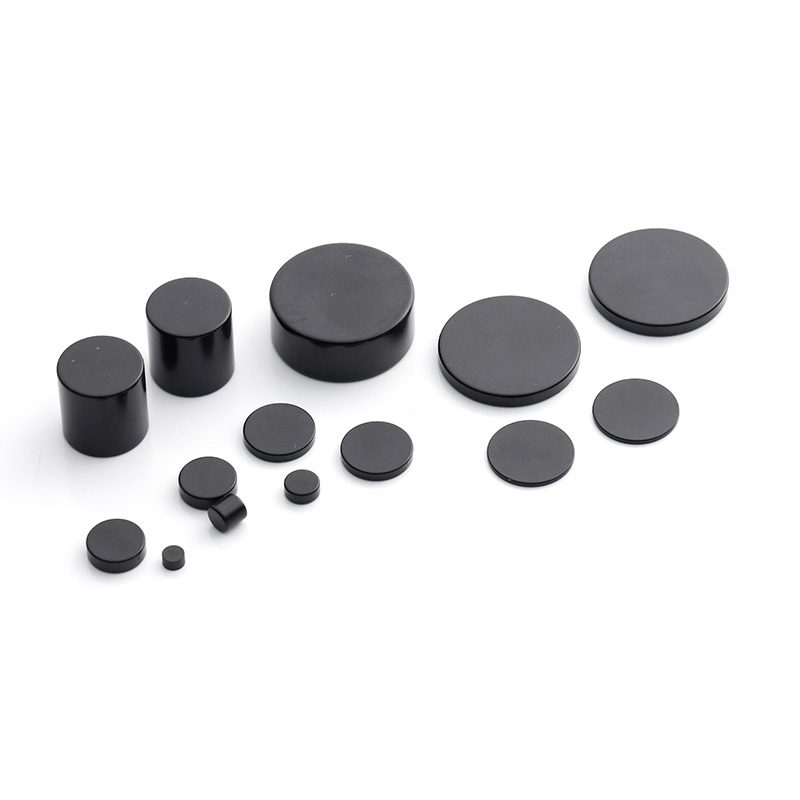
Use the approved drawing to select the dimensions that affect fit: diameter, thickness, length, width, hole size, countersink or a custom feature. Record the measuring method and the agreed number of pieces checked. For coated magnets, assess the finished part against the drawing rather than assuming a nominal raw magnet dimension.
A dimension outside the agreed limit should be documented before the lot is released. Avoid modifying a received magnet to make it fit unless the responsible team has reviewed the change.
Verify polarity and specified magnetic checks
If assembly depends on pole orientation, check the required face or direction using a known reference or suitable instrument. Mark or segregate the checked parts as the project process requires. A simple attraction test may help identify an obvious issue, but it is not a substitute for a defined magnetic acceptance method.
Where the order requires a flux, field or pull-force result, compare measurements only when the test setup and acceptance limits are defined. Fixture geometry, air gap and the measuring surface can affect a result, so an improvised test may not be comparable with the supplier's report.
Record and resolve discrepancies
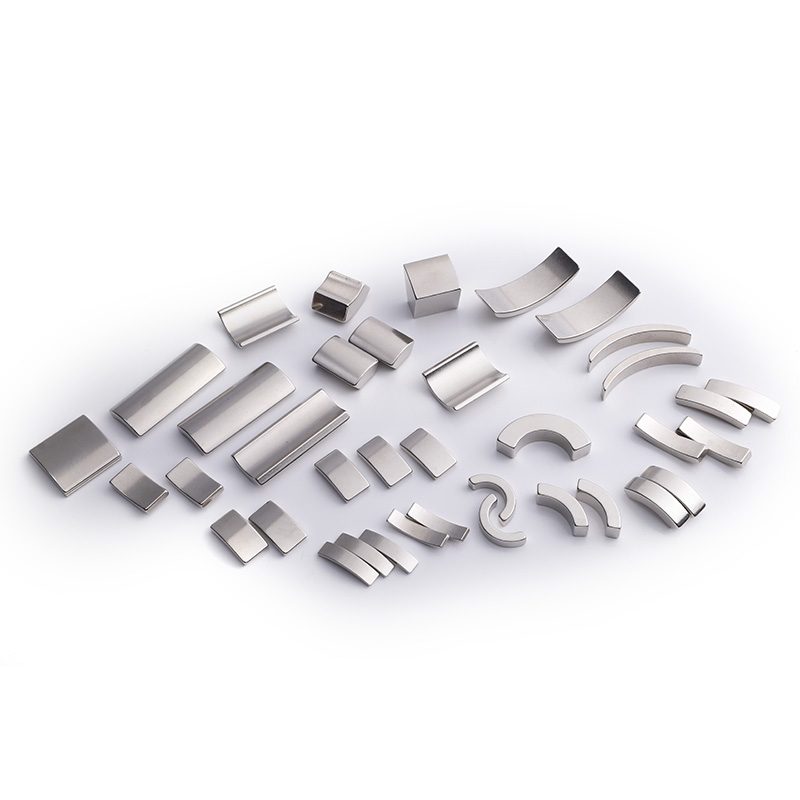
Keep the received quantity, label details, drawing revision, inspection observations, photographs and any test records together. If a discrepancy appears, identify the affected lot and hold it for review under the buyer's normal process. Send the supplier clear evidence and the relevant acceptance requirement so the question can be resolved against the same reference.
Once the required checks are complete, record the disposition before releasing the magnets to assembly. This creates a useful reference if the part is reordered or if a later question arises about a specific shipment.
Receiving checklist
Order, drawing revision and part identity match the received labels.
Quantity, packaging condition and lot identification are recorded.
Visual condition and critical dimensions meet the agreed criteria.
Polarity and any specified magnetic result are checked by the agreed method.
Discrepancies are documented and disposition is recorded before use.
A focused receiving inspection connects the delivered magnets to the approved part definition and the assembly that will use them. Share the drawing and order requirements if you need help defining what should be checked for a new magnet part.