
PVC Sheet Pile Soil Conditions: What to Check Before Installation
A PVC sheet pile profile is selected for a project, but it has to be installed through real ground. Soil layers can change along the same wall line, and buried material or groundwater can affect the proposed installation approach. A useful inquiry therefore describes the ground as well as the wall.
This checklist helps a project team prepare a focused discussion with a PVC sheet pile supplier and installation contractor. The final profile, embedment and method require project-specific design and construction review.
Describe the ground along the full wall line
Share the available site investigation and show where its observations were taken. Identify known soil layers, changes in level, groundwater conditions and the proposed wall alignment. One observation point may not represent an entire run, particularly near old fill, drainage works or a change in terrain.
If ground information is incomplete, mark the gaps. The team can then decide what further investigation is needed before committing to a profile length, installation sequence or delivery quantity.
Identify obstructions before work starts
Record known buried services, old foundations, rubble, large stones, existing piles and other features that may intersect the proposed line. Add surface features such as culverts, pavements and nearby structures. A site plan, photographs and available utility records make these constraints easier to review together.
Unexpected resistance during installation should be reported through the project process. Continuing with more force or changing the wall line without review can create a different problem elsewhere in the system.
Review the profile and method as one decision
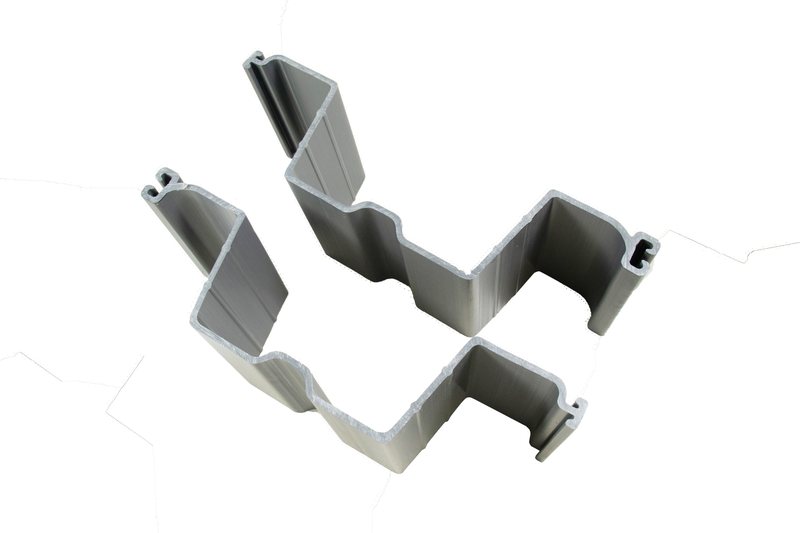
The wall's design requirements and its installation conditions both matter. Share the proposed profile, length, finished top level and intended embedment with the contractor and responsible designer. They can assess whether the proposed equipment, guide arrangement or any installation assistance is appropriate for the known ground and the specific PVC profile.
A method that works in one soil condition should not be assumed to work at another site. Confirm the supplier's product-specific instructions and the contractor's method statement before the installation plan is finalized.
Check access and working conditions
The ground must also support the planned work area. Review equipment access, staging space, slope, surface water, nearby traffic and any restrictions on movement. Where temporary works or water control are needed, the responsible construction team should include them in its plan.
Identify the locations where materials can be inspected, handled and aligned without interfering with adjacent services or structures. This helps connect the design discussion to the actual installation sequence.
Agree what will be checked on site
Before starting a full run, agree how the team will record alignment, elevation, interlock engagement and the observed installation response. If the ground differs from the information used for planning, document the location and obtain the appropriate review before proceeding under a revised method.
Keep a concise log of relevant observations, drawing changes and agreed actions. These records help explain how the completed wall relates to the ground conditions actually encountered.
Send a complete ground information pack
For an initial PVC sheet pile inquiry, provide the wall plan and sections, available ground investigation, groundwater information, known obstructions, access constraints, proposed profile and finished levels. If any item is unknown, state that clearly so the next review can target the missing information.
Clear ground information supports a practical discussion of product selection and installation planning. Send the project drawings and site observations to start that review.