

PVC Sheet Pile Wall Maintenance and Inspection Checklist: Drainage, Wall Top, Toe and Interlocks
PVC Sheet Pile Wall Maintenance and Inspection Checklist
A PVC sheet pile wall is often selected for its corrosion resistance and practical installation. Once the wall is in service, however, its long-term performance still depends on the surrounding ground, drainage path, water conditions and the way the wall is used. A simple observation routine helps owners notice change early and keep a useful record for the project team.
This checklist is intended for routine visual maintenance. It does not replace the project drawings, operating plan or a qualified engineer’s assessment. If a wall shows unusual movement, loss of ground, an opening interlock, significant erosion or a sustained drainage problem, arrange prompt project-specific review.
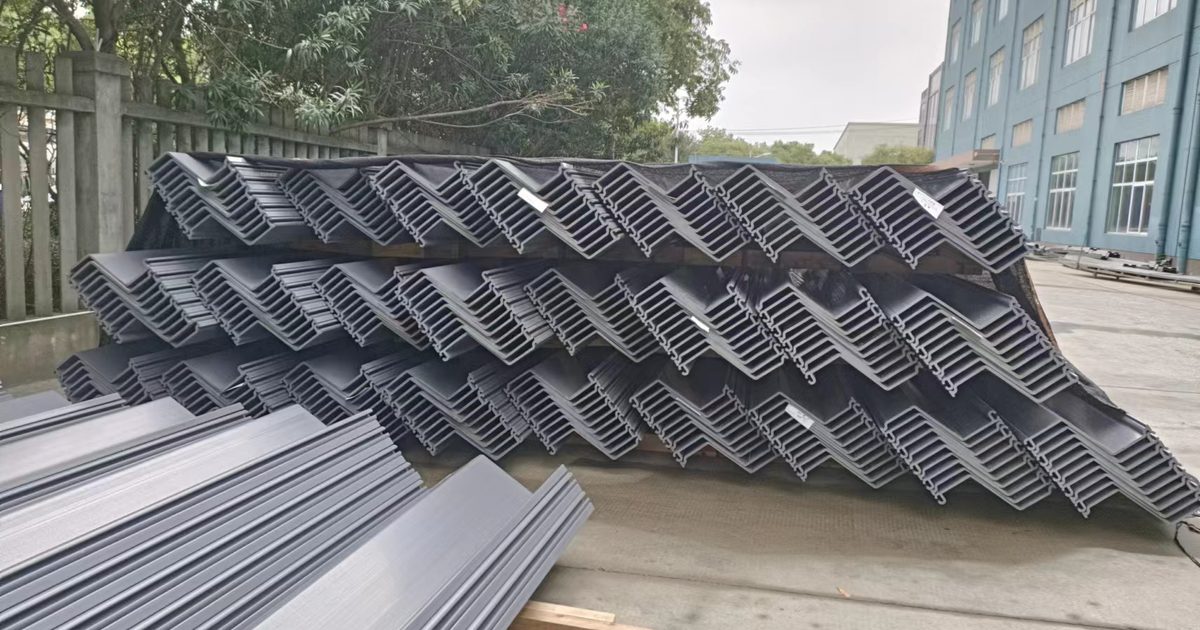
PVC sheet pile profiles awaiting use. Record the wall system and location in the site maintenance log.
Why maintenance is about change—not just cleaning
Many visible marks on a working wall are not automatically defects. The important question is whether the condition is new, growing or linked with changes in water level, adjacent soil or site activity. Photos taken from consistent viewpoints make comparisons much more useful than a one-time inspection note.
Maintenance is therefore a combination of housekeeping, observation and escalation. Keep water moving as intended, protect the wall from avoidable impact and report conditions that are outside the project’s normal operating pattern.
Set a practical inspection rhythm
CMS FIELD | PUBLISH-READY CONTENT |
Inspection trigger | What to observe |
Routine site walk | Wall line, wall top, visible face, drainage outlets, nearby ground and evidence of impact. |
After heavy rain, high water or flooding | Ponding, blocked drainage, soil washout, debris accumulation, erosion at the toe and new seepage paths. |
After excavation, vehicle impact or nearby works | Changes to alignment, ground support, cap details and any newly exposed interlocks. |
When a change is recorded | Repeat photographs from fixed points and refer the observation to the owner’s project or engineering contact. |
1. Check the wall top, cap and adjacent ground
Start at the wall top. Look for damaged coping or cap details, new gaps at transitions and changes in the finished ground beside the wall. Depressions, cracking, soft spots or a void near the wall can change how surface water reaches the structure and may warrant follow-up.
Keep loads, stored materials and vehicle activity consistent with the approved site plan. Do not add braces, anchors, cuts or attachments to a wall as an informal repair; connection and loading changes should be checked against the project design.
2. Follow the drainage path
Water should leave the area by the drainage route intended for the project. During a site walk, check that swales, outlets, weep paths and nearby channels are not blocked by soil, vegetation, waste or construction debris. Also look for water repeatedly ponding against the wall after rain.
A clear drainage route helps limit unintended water pressure and prevents runoff from cutting into adjacent soil. Where ponding or seepage persists, document the condition and have the source evaluated rather than drilling, cutting or modifying the PVC sheet pile on site.
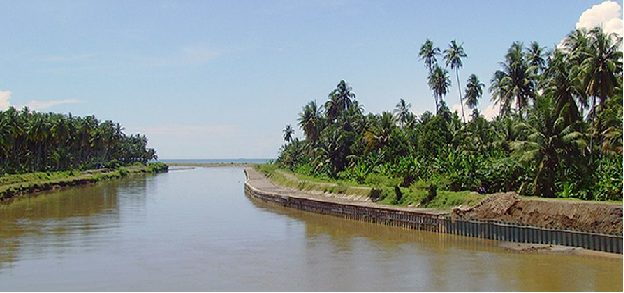
An installed water-side wall: inspect drainage and the ground transition above the wall after changing weather conditions.
3. Inspect the exposed face and interlocks
Walk the visible face in one direction and note fresh scratches, impact marks, local deformation or unexpected alignment changes. At accessible locations, look at the interlocks for openings, damage or debris that may make the connection difficult to assess. Compare the finding with prior photos before deciding whether it is new.
Do not force an interlock back into position or use an unapproved sealant or fastener as a structural repair. A connection concern should be reviewed with the wall system, loading and installation details in mind.

Profile and interlock close-up: record the exact location when an accessible connection needs follow-up.
4. Look at the toe and waterline
Where the toe or waterline is visible, look for fresh scour, soil loss, undermining, debris build-up or a change in the channel bed. These conditions are especially important after high flow, wave action or a storm event. Use safe access procedures and do not enter unstable or flooded areas for a closer look.
Toe observations are signals for review, not a diagnosis by themselves. A project team can decide whether the change is temporary, whether protection needs attention and whether additional monitoring is required.
Record, compare and escalate
CMS FIELD | PUBLISH-READY CONTENT |
What you see | Practical next step |
Minor surface marks with no change in wall line | Photograph, date and monitor at the next planned observation. |
New ponding, settlement, voids or soft ground | Protect the area as appropriate and notify the project contact for follow-up. |
New misalignment, bulging or interlock separation | Avoid adding load or attempting an informal repair; seek prompt technical review. |
Erosion or scour near the toe | Record water conditions and location, then arrange timely project-specific assessment. |
Annual checklist for a PVC sheet pile wall
· Confirm the wall’s location, wall type and latest approved maintenance contact in the site record.
· Repeat photographs from the same general viewpoints at the wall top, face, drainage route and toe.
· Clear debris only where it can be done safely and without disturbing protective soil or approved drainage details.
· Review whether nearby grading, landscaping, traffic routes or utilities have changed since the previous check.
· Log unusual observations with date, weather or water conditions, exact location and a clear image.
· Escalate conditions that indicate movement, ground loss, persistent water issues or connection damage.
A small routine that protects the larger system
PVC sheet pile wall maintenance works best when it is regular, visual and well documented. By observing drainage, the wall top, exposed face, interlocks and toe together, owners can distinguish routine housekeeping from conditions that need more focused attention. That record also gives the project team a clearer basis for decisions when conditions change.