
PVC Sheet Pile Project Handover: Records to Keep After Installation
A finished PVC sheet pile wall can look straightforward from the surface, while much of its installation history is already hidden below ground or behind the backfill. A useful handover file connects the completed wall to the profiles supplied, the drawings used and the conditions recorded during construction. That connection makes later maintenance, reordering and nearby works easier to plan.
Agree the required records with the owner, contractor and responsible designer before installation starts. The checklist below helps organize that discussion; the project's specification and acceptance process determine the final deliverables.
Keep product identity attached to the wall
Retain the approved PVC profile drawing, product description, ordered lengths, delivery notes and any batch identification supplied with the material. Where different profiles or lengths are used, relate them to named wall runs or locations on a plan. A folder of delivery documents becomes much more useful when a future reader can tell which part of the wall each document concerns.
Keep the relevant drawing revision with the record. If a profile or accessory was changed during procurement, retain the reviewed replacement information so the final file reflects what was actually delivered.
Record the installed arrangement
Use the location references and measurement method agreed for the project to record the completed wall line, top levels and other required installation information. Include ends, returns, steps and connections to existing structures. Identify the coordinate or level reference so later measurements can be compared with the original record.
Keep measured information distinct from values taken from the design drawing. Where a buried feature was not directly measured, describe the basis of the record. A visible top elevation alone does not establish the buried toe position or prove the wall meets every design requirement.
Link changes and site observations
Collect relevant installation logs, inspection notes and reviewed changes under the same wall references. Record where an obstruction, different ground condition, damaged component or revised detail affected the work, together with the action taken and the associated project review.
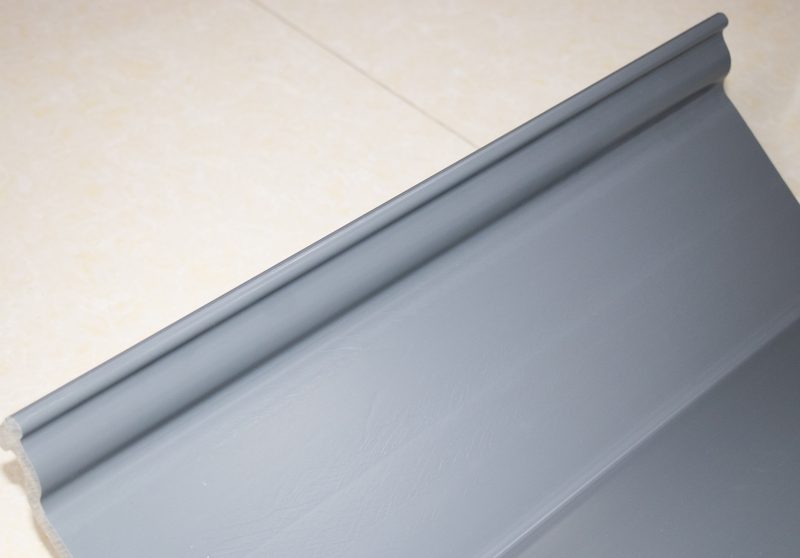
A dated photograph with a location and a short caption is easier to interpret than an unlabelled image. Where the project calls for photographs before features are covered, plan those records during construction. Product photographs illustrate the supplied profile; photographs of the actual work document the installation.

Include interfaces and owner information
Keep the final details for caps, anchors, drainage outlets, pipe crossings and adjacent structures where they form part of the project. Include the inspection or maintenance information agreed for those components and identify the relevant project contact. This helps the owner understand how the wall fits into the surrounding site.
Provide any agreed operating restrictions or review requirements for future excavation, attachments or changes near the wall. The handover file should make existing requirements easy to find rather than introducing new limits after construction.
Make the file easy to use
Finish with a short index covering product documents, final drawings, installation records, change reviews, photographs and owner instructions. Use consistent wall names across the folders and identify any outstanding item with its responsible contact. A complete-looking folder should not obscure a missing survey or unresolved review.
For a new PVC sheet pile inquiry, tell XILAI which product documents and identification details your project will need at delivery and handover. Agreeing these requirements early helps the procurement team collect the right information while the contractor and designer prepare the site-specific completion records.