
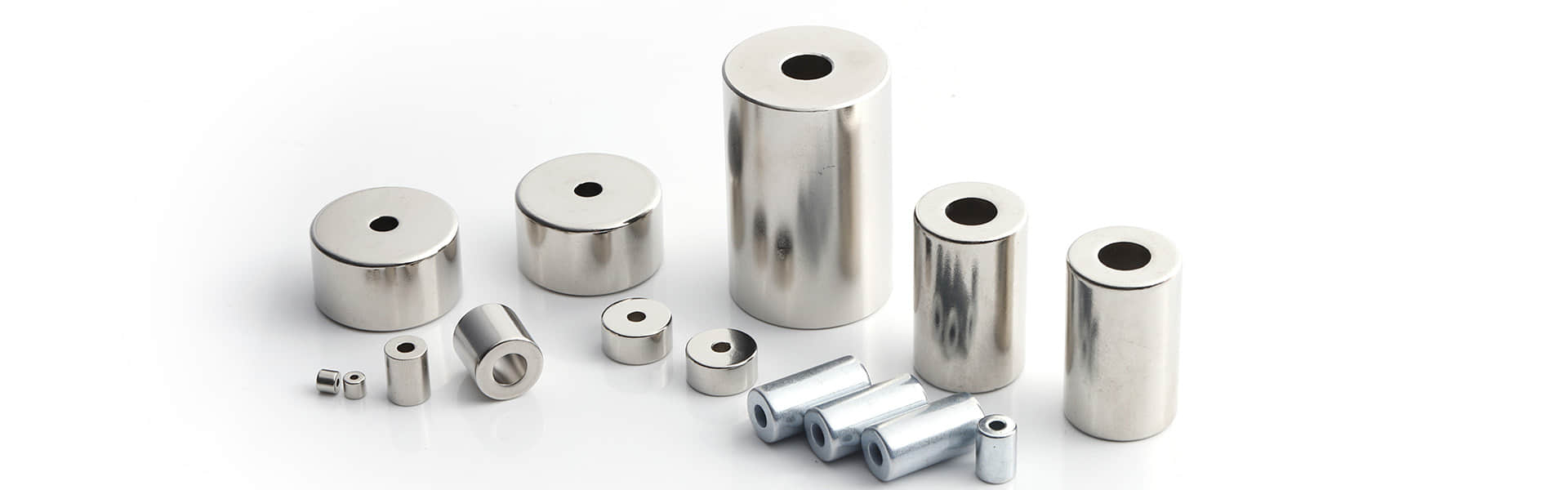
Stacked Neodymium Magnets vs One Thicker Magnet: What Buyers Should Check
Stacking thin neodymium magnets is a convenient way to explore a prototype when a thicker part is not available. But a stack is also an assembly with several components, interfaces and dimensions. Before using it in a production design, buyers should compare it with a single thicker magnet under the conditions that matter to the finished product.
Start by identifying the trial stack precisely: part dimensions, grade, coating, magnetization direction, number of pieces and the way the stack is held. This gives the supplier a useful reference when proposing a production part.
Understand what stacking changes
For matching magnets stacked along their magnetization direction with opposite poles touching, the magnetic behaviour can approximate a single magnet of the same cross section and combined height. The approximation assumes an appropriate alignment and comparable material. Coatings and any added layers create differences from one solid piece.
More pieces do not imply a proportional increase in holding force. In a typical axial stack pulling on steel, additional thickness can give diminishing gains. Evaluate the actual arrangement instead of multiplying the pull-force value of one thin magnet by the number of pieces.
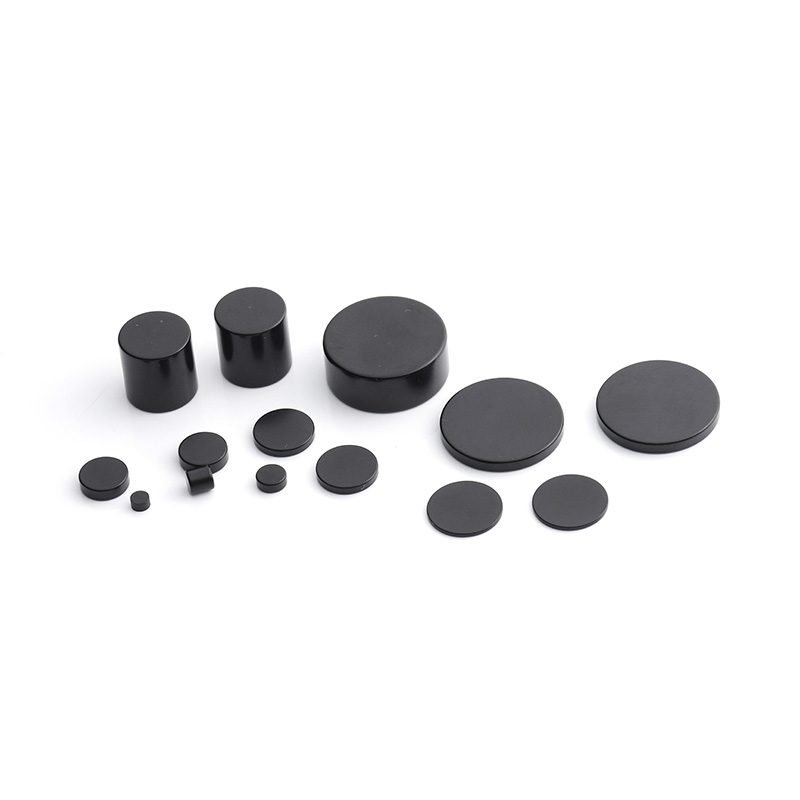
Compare the same working conditions
Keep the target, working gap, alignment and movement the same when comparing a stack with a thicker candidate. If the application is a sensor, compare the required field at the sensor position; if it is a closure, compare the relevant opening or holding behaviour of the assembly.
Record which face is exposed and whether a housing, adhesive layer or other material changes the final position. A prototype comparison is only useful when the two candidates are evaluated against the same functional requirement.
Review the total height and retention
A stack's finished height includes the dimensions of every piece and any intentional spacing or bonding layers. Put the overall limit on the assembly drawing and check it against the pocket or available clearance. Do not assume that multiplying a nominal thickness gives the complete tolerance requirement.
Show how the pieces remain located during assembly and service. Consider the intended handling, repeated movement and mounting process when reviewing the arrangement. Magnetic attraction between pieces does not by itself define the mechanical retention requirement of the finished product.
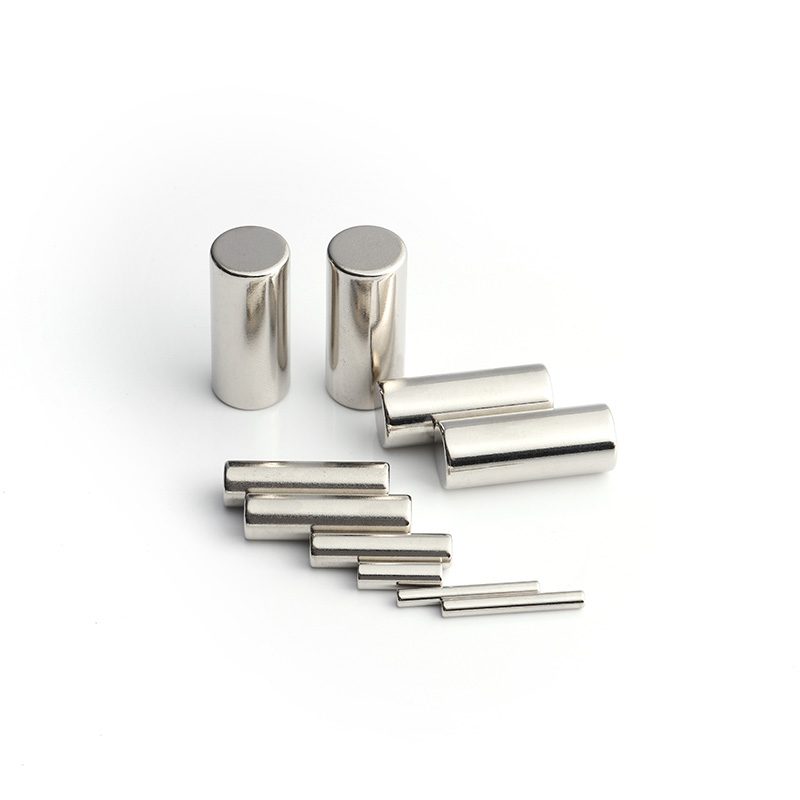
Separate prototype convenience from production choice
A stack lets the product team try different overall heights using available parts. Once the required performance is understood, ask for a comparison with a single-piece option. Review the complete cost, part count, assembly steps, inspection method and availability for the required quantity.
Keep the validated configuration identified. If a stack is replaced by a single magnet, update the drawing and verify the proposed part in the assembly before releasing the change to production.
What to send with your inquiry
Send XILAI the trial part information, stack count, total height limit, pole direction, working gap, counterpart and mounting details. Include the prototype result you want to retain and the planned production quantity. These details support a focused discussion of a thicker magnet or a documented stack specification for your project.