
PVC Sheet Pile Sealing Requirements: What to Confirm Before Ordering
A PVC sheet pile inquiry that asks for a 'waterproof wall' leaves several important questions open. The project may aim to reduce seepage, retain a water level or form part of a wider containment system. Defining that objective before ordering helps the supplier and designer discuss the actual profile, connection details and evidence required.
This guide is a procurement checklist. The responsible project team should establish the water-control design and acceptance criteria for the site, including whether the proposed PVC wall system is appropriate for that use.
Describe the water conditions and target outcome
Provide the relevant water levels on both sides of the wall, their expected changes and the period for which the condition must be maintained. Explain what leakage or seepage performance the project requires and how that requirement will be assessed. If the acceptance criterion is still being developed, identify it as an open item.
A clear project description is more useful than an unsupported claim of complete watertightness. Keep the intended function and the proposed product configuration together when requesting technical information.
Specify the interlock and sealing configuration
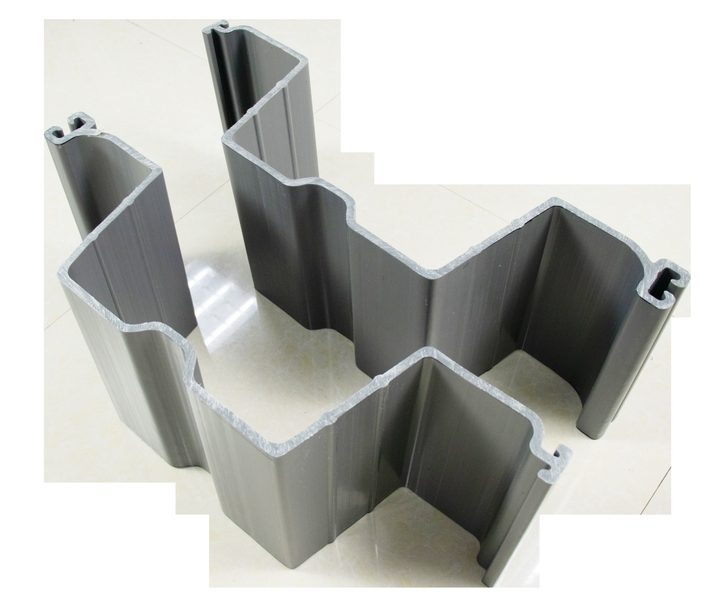
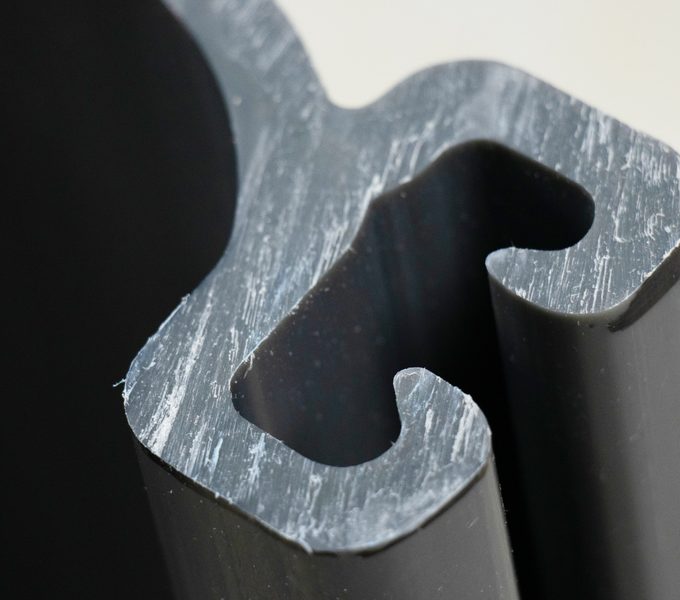
Identify the exact profile and interlock drawing. Some vinyl sheet pile systems offer an integrated gasket; other project details may use a specified sealing treatment. Confirm what is included in the quoted product and request the relevant instructions and performance information for that configuration.
Check any conditions attached to the information, including the tested joint arrangement and installation assumptions. A product photograph or a successful sample fit is useful for identification, but neither establishes the sealing performance of a completed wall.
Review the whole water path
The designer should consider routes around the wall ends, beneath the toe and through interfaces as well as through interlocks. Share the ground information, alignment, proposed depth and details of pipes or existing structures that meet the wall. Improving one joint detail does not resolve every possible seepage route.
List corners, terminations, penetrations and transitions on the drawing. Each relevant interface needs an agreed treatment so the purchasing team does not assume the straight profile supplies every part of the water-control solution.
Agree what the installation team will check
Use the product-specific instructions and approved method to define checks on the supplied sealing components, interlock condition and engagement. Establish how concerns will be recorded and referred for review during installation. Any proposed site change to a sealing detail should be resolved against the project requirements.
Agree the completion observations or tests required by the project before work begins. Record their conditions and acceptance criteria so later results can be interpreted against the same reference. Keep relevant photographs and reviewed changes with the installed wall records.
Prepare a focused sealing inquiry
Send XILAI the wall plan and sections, ground and water-level information, intended performance criterion, proposed profile, special interfaces and required product documentation. State which details remain open. This gives the supplier and project team a practical basis for reviewing available configurations before a purchase order is released.