

PVC Sheet Pile Quantity Takeoff: Prepare a Clear Order List
PVC Sheet Pile Quantity Takeoff
A PVC sheet pile quantity takeoff turns an approved wall layout into an order list that a buyer and supplier can check together. The useful result is more than one total number. It shows each wall run, the selected profile, the confirmed installed working cover, the requested sheet length and the details that need to be supplied separately. That record reduces the risk of quoting one product basis while the project team is working from another.
Use the project drawings and the current supplier profile drawing together. A quantity takeoff does not determine wall design, sheet length, embedment, loads, water level, soil conditions, sealing or installation method. These remain subject to the responsible project review.

Figure 1. Real PVC sheet pile stock: the selected profile and its installed coverage need to be confirmed before a quantity is calculated.
Begin with a controlled project basis
Freeze the information used for the takeoff before converting a wall line into pieces or supplied length. Record the drawing revision, wall segment names, proposed product code and the profile drawing revision. If a segment is still under design review, keep it visible as pending rather than hiding it inside a final total.
Takeoff input | What to record |
Wall layout | Each straight run, return, curve, termination and the drawing revision used to define it. |
Selected profile | The supplier product code and current profile drawing, rather than only a general U or Z description. |
Working cover | The confirmed installed coverage per interlocked sheet shown by the supplier for the selected profile. |
Supplied sheet length | The requested production length for each segment, with any project approval still needed clearly identified. |
Separate components | Corners, closures, caps, connectors, seal materials or other items that should not be hidden in the straight-sheet count. |
Measure each wall run separately
Do not combine the entire project alignment into one line before the detail is understood. A takeoff is easier to check when each run has a clear start point, end point and quantity basis. Separate changes in profile, sheet length, orientation, colour, corner treatment or project status. This also makes later revisions easier because the affected segment can be updated without rebuilding the whole order list.
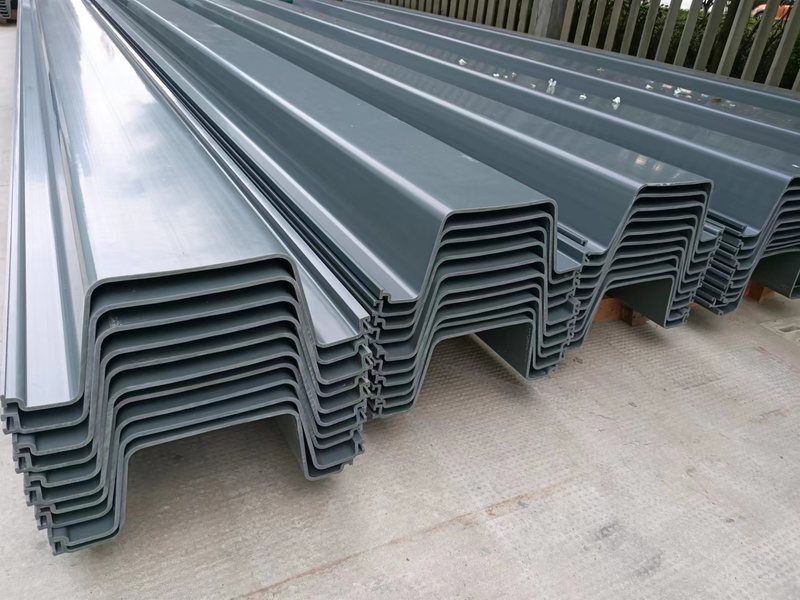
Figure 2. Real PVC profile stock: identify the exact cross section and interlock arrangement before applying a working-cover figure to the wall run.
Wall schedule field | Why it belongs in the takeoff |
Segment ID | Links the quantity to a named line or detail on the project drawing. |
Plan length | Shows the measured wall alignment for that segment and the unit used. |
Profile and direction | Confirms which exact product and profile orientation are being counted. |
Working cover basis | Records the installed coverage value used for the count and its drawing or supplier reference. |
Sheet length and notes | Separates the supplied length request from wall geometry and flags special conditions or pending approvals. |
Use installed working cover for the piece count
For a straight run, the planned wall length is divided by the confirmed installed working cover of the selected profile to establish a preliminary sheet count. Record the rounding approach and any end condition instead of silently changing the result. Do not substitute an overall panel width, a visual estimate or a value from another profile for the installed working cover.
· Keep the confirmed working-cover source with the takeoff, such as the current profile drawing or supplier clarification.
· Show fractional results and the documented rounding decision so the final count can be checked at the termination details.
· Treat a change in profile or interlock arrangement as a new quantity basis, even if the nominal wall line remains the same.
List corners closures and allowances separately
A straight-sheet total is not the finished order list. Corners, closures, transitions, return details and cuts can change the quantity basis. Show them as their own lines and connect each one to the relevant drawing detail. Any allowance for cutting, handling, site adjustment or contingency should also be shown separately, with the reason and the responsible approval noted. This keeps the product count transparent rather than presenting a larger unexplained total.
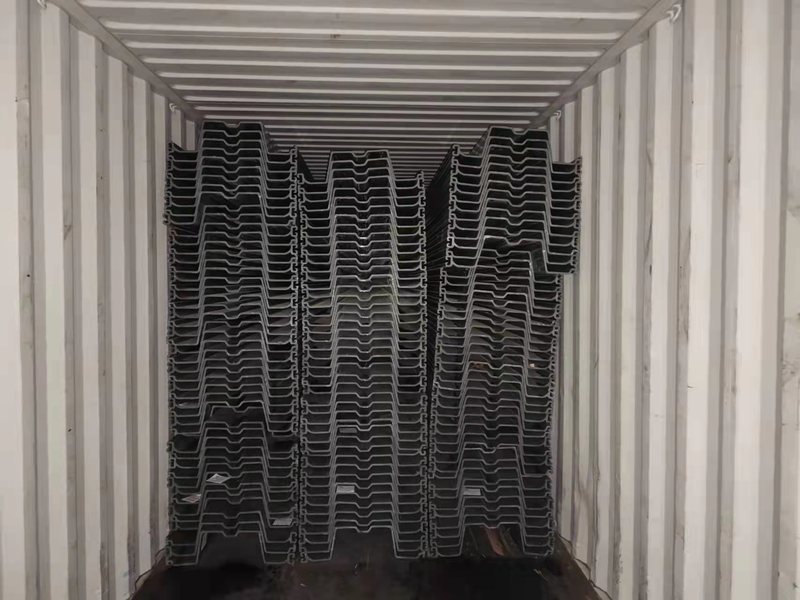
Figure 3. Real PVC sheet piles prepared for transport: a clear order list supports the packing and delivery plan after quantities are confirmed.
Separate line item | Information to include |
Corner or return | Drawing reference, profile relationship, quantity basis and whether a special component or cut is required. |
Closure or termination | Location, end condition, required piece count and the document that defines the detail. |
Different sheet length | The segment ID, requested supplied length and number of pieces for that distinct length. |
Allowance | A visible quantity, purpose, approval owner and status rather than an unlabelled addition to the total. |
Accessories | Any cap, connector, seal material or packing requirement that should be quoted and supplied separately. |
Prepare the supplier order summary
Send the finished wall schedule with the approved layout and current product drawing. The supplier can then quote the product against the same units and identify questions before production or packing begins. Keep the quantity basis readable in the order summary: pieces, supplied linear metres, installed coverage, area, bundles or another defined unit should not be mixed without a label.
Include in the order summary | Why it helps |
Project and drawing reference | Creates one traceable link between the takeoff, wall layout and later revisions. |
Profile code and drawing revision | Helps the supplier match the requested product to the working-cover basis used in the count. |
Segment schedule | Shows length, piece count, supplied sheet length and special notes for each separate wall run. |
Corners and allowances | Makes non-straight details and provisional quantities visible for quotation and approval. |
Delivery and packing request | Supports a practical dispatch plan once quantities, bundle identification and receiving information are agreed. |
Quantity takeoff review checklist
Use this short check before a quotation is accepted or an order is released.
· Every wall run is linked to the current approved drawing and has its own segment identifier.
· The exact profile code and confirmed installed working cover are recorded for each counted run.
· Different supplied sheet lengths, corners, closures and accessories appear as separate order lines.
· All allowances and pending decisions are visible, labelled and assigned for approval.
· The supplier quotation uses the same quantity unit and product drawing revision as the takeoff.
Conclusion
A clear PVC sheet pile quantity takeoff begins with the approved wall layout and the confirmed product profile. Break the wall into readable segments, use installed working cover for the preliminary count and list special details separately. When the takeoff, profile drawing and order summary use the same basis, the project team and supplier can review the request before production and dispatch.