
Neodymium Magnet Salt Spray Test Reports: What Buyers Should Check
A salt spray result can help a buyer discuss a neodymium magnet coating, but the number of exposure hours is only one part of the report. To compare results meaningfully, the buyer needs to know what was tested, which method was used and how the final condition was judged.
This checklist is for reviewing corrosion-test documentation during sample approval or purchasing. Agree the required evidence and acceptance criteria before testing so the supplier and receiving team use the same reference.
Identify the tested magnet and coating
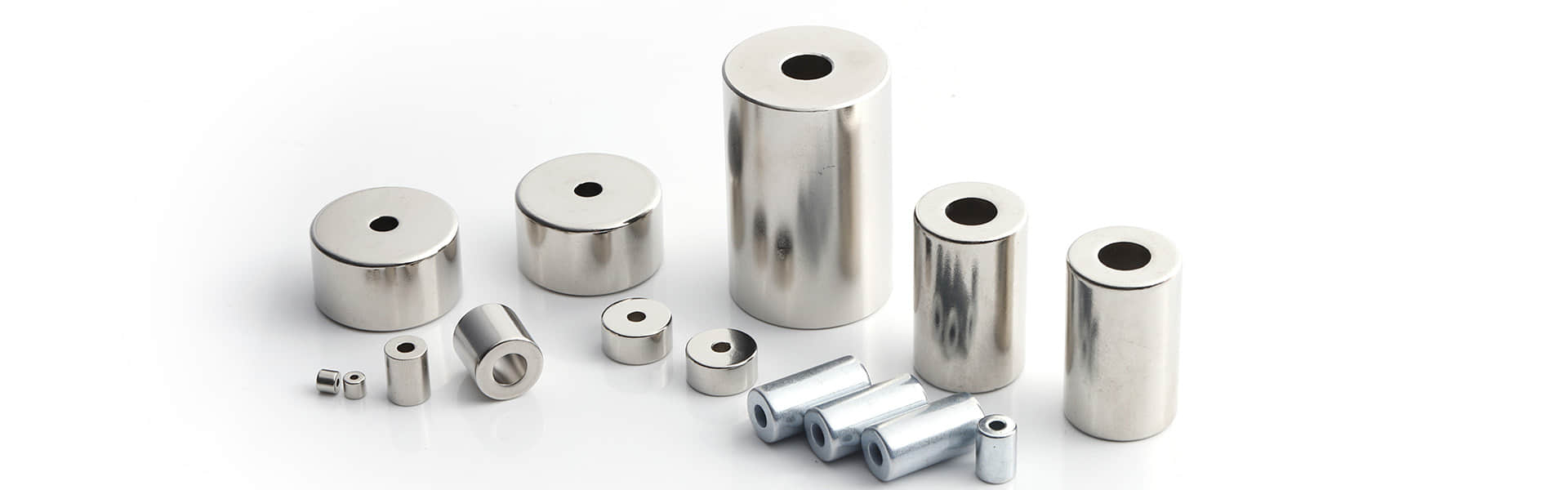
Match the specimen description to the part being ordered. Look for the magnet dimensions, coating specification, sample quantity and any batch or report identification provided. A general result for a coating family may be useful background, but ask whether it represents the actual finished part or a different specimen.
Keep the report with the relevant drawing revision. If the coating or part geometry changes, ask the project team whether the existing evidence remains applicable or whether further evaluation is needed.
Read the method before comparing hours
Check the named test method, its edition, exposure duration and any declared departures or additional conditions. ASTM B117, for example, describes the apparatus and conditions for a salt fog environment. It does not set a universal specimen type, exposure period or pass criterion for every magnet product.
When comparing quotations, request the supporting test details rather than comparing two hour values alone. Different conditions or evaluation rules can make an apparently simple ranking misleading.
Make the acceptance decision explicit
State what the project will accept after the agreed exposure: the surfaces to examine, the condition to record and the applicable limits or reference images. Identify who evaluates the specimens and which records are required. A report that says only 'pass' leaves the buyer unable to see the rule behind that decision.
Ask for clear specimen identification and photographs where agreed. If any pieces fail, retain the observations by specimen rather than relying only on a group summary. This gives the supplier a specific basis for reviewing the result.
Keep laboratory exposure separate from service life
Salt spray hours should not be converted directly into months or years in use. ASTM notes that natural-environment performance cannot generally be predicted from salt spray data alone. The actual application still needs review for its moisture, temperature, chemicals, handling and assembly conditions.
Describe those conditions to the supplier and product team. Decide what additional product or assembly validation is relevant rather than treating a single laboratory result as a complete durability assessment.
What to include in your inquiry
Send XILAI the magnet drawing, required coating, operating environment, proposed test method and acceptance criteria. Include the sample quantity, reporting requirements and any existing reference report. If the test requirement is still open, identify it early so the parties can agree the evidence needed before the production order is released.