
PVC Sheet Pile Delivery Inspection Checklist: Profile, Length, Interlocks and Appearance
PVC Sheet Pile Delivery Inspection Checklist: Profile, Length, Interlocks and Appearance
A short, structured receiving inspection helps ensure that the PVC sheet pile delivered to site is the product specified for the wall and is ready to enter the installation sequence. This checklist focuses on practical checks that a contractor, distributor or site team can record before work begins.
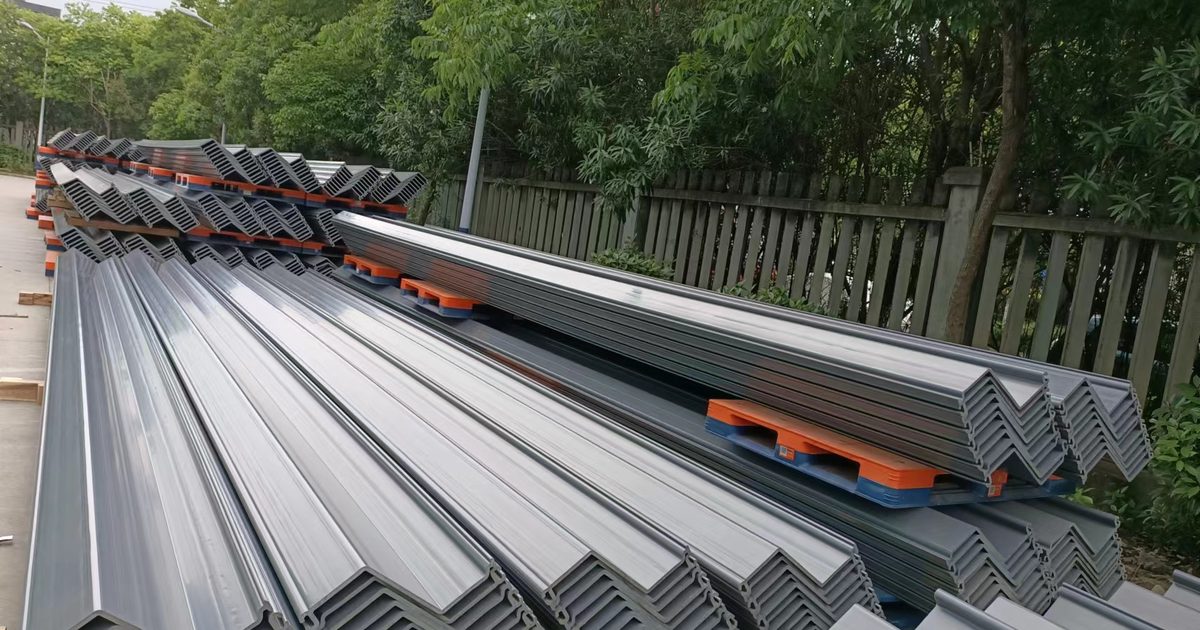
Figure 1. Real gray Z-profile PVC sheet piles in separated stock bundles, ready for receiving checks.
Why receiving inspection belongs before installation
PVC sheet piles can arrive in good condition and still cause avoidable site delays if bundle identity, profile type, length or interlock condition is not confirmed before sheets are moved to the wall line. A practical inspection protects both the schedule and the ability to trace any question back to a bundle or packing list.
The purchase order, approved drawings and supplier documents define the product acceptance requirement. The following checks are a field-ready starting point, not a substitute for project engineering, contract inspection rules or a specific site quality plan.
1. Confirm the documents and bundle identification
Before unloading or staging individual sheets, compare the delivery note with the purchase order and packing list. Confirm the product name, profile type, color if specified, sheet length, quantity and bundle reference. Keep the labels visible until the corresponding bundle has been accepted and assigned to a wall section.
Receiving record | What to confirm |
Delivery documents | Purchase order, packing list, delivery note and any agreed quality or test documents. |
Bundle identification | Profile type, nominal length, bundle number and quantity per bundle. |
Project allocation | Which wall zone, sequence or installation team will receive the bundle. |
Photo record | General bundle condition and any visible issue before handling changes the original condition. |
2. Verify the profile and exposed ends
Look first at the profile ends that are visible in the bundle. The shape should match the ordered U or Z profile and show the expected wall geometry. Check that sheets are straight in the bundle and that there is no obvious crushing, twist, severe local deformation or unexpected cut condition at exposed ends.
Where the project requires dimensional confirmation, use the approved drawing and the agreed measuring method. Record measurements against the relevant bundle; a site team should not assume a generic value applies to every profile or project.
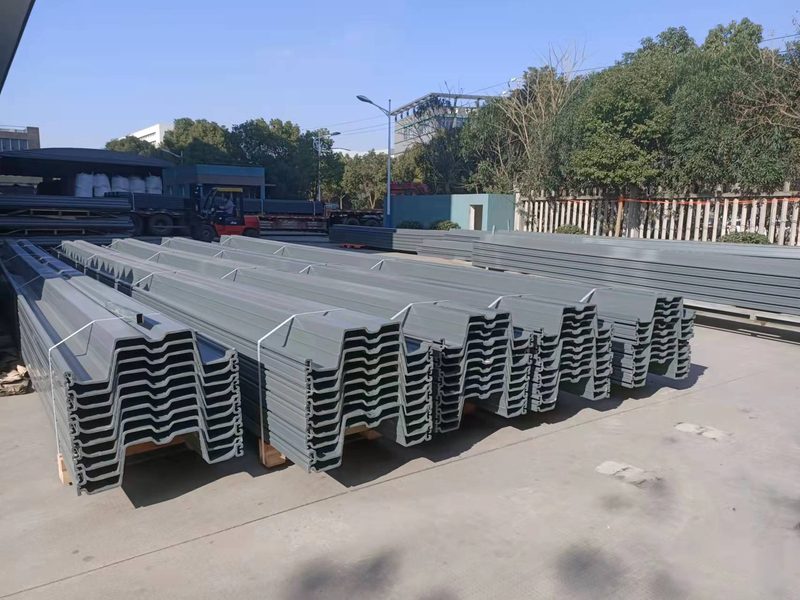
Figure 2. Real U-type PVC sheet pile bundles with the profile ends exposed for a quick visual profile check.
3. Inspect interlocks before they enter the guide system
Interlocks are the working connection between adjacent sheets. Review the exposed interlock areas and a representative sample of individual sheets for cracks, impact damage, distortion, embedded debris or protective packing material left in the connection. Keep the interlock surface clean so the installer can engage the next sheet without forcing it.
A cosmetic scuff does not automatically determine whether a sheet is usable. The practical question is whether the feature can still engage and perform according to the approved product requirement. If there is doubt, isolate the sheet, identify the bundle and ask for a review before cutting, heating or otherwise modifying it in the field.
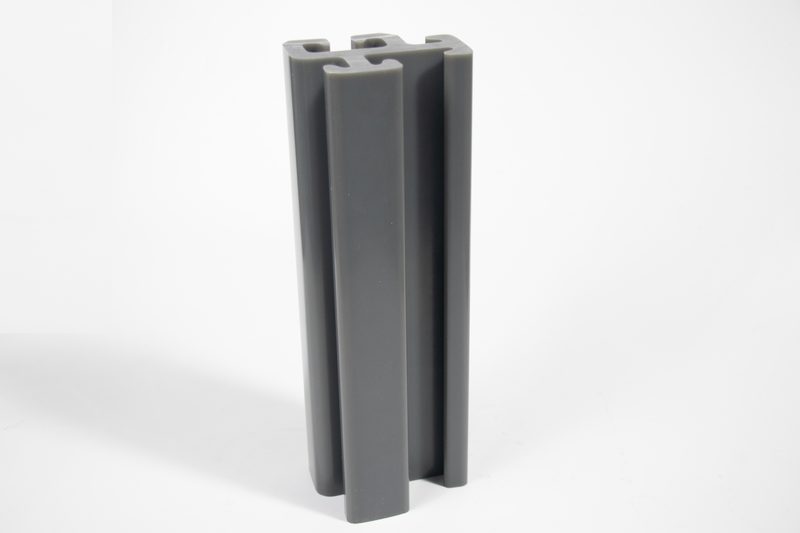
Figure 3. Real close-up of a PVC sheet pile interlock profile for receiving and fit inspection.
4. Record appearance and handling condition
Review the visible surfaces for impact marks, deep scratches, abrasion, discoloration, contamination or damage caused by straps, forks or rough unloading surfaces. Also look at the timber bearers, straps and packaging condition: broken supports or shifted bundles can indicate that a more detailed check is needed.
Observation | Recommended action |
Minor surface mark with no effect on profile or interlock | Photograph it and compare it with the agreed appearance requirement. |
Interlock crack, distortion or debris that affects engagement | Separate the sheet or bundle; request supplier review before installation. |
Bundle label missing or quantity unclear | Hold the bundle in a marked area until it can be matched to delivery documents. |
Signs of impact or shifted packing | Photograph before further unloading; inspect adjacent exposed sheets. |
A simple receiving checklist
· Match delivery note, packing list and purchase order before dispersing the bundles.
· Confirm profile type, nominal length, quantity and bundle identification.
· Photograph overall bundle condition and visible ends before unloading changes the condition.
· Inspect profile ends and a representative sample of interlocks for deformation, damage or contamination.
· Keep accepted bundles labeled and staged on level supports for the installation sequence.
· Isolate any questionable sheet or bundle, retain its identification and request review before field modification.
Conclusion
A delivery inspection does not need to be complicated. Confirm the paperwork, identify the bundles, review the profile and exposed interlocks, record appearance condition and separate any uncertain material before installation. This creates a clear handover from delivery to the site team and helps prevent avoidable interruptions at the guide system.