
PVC Sheet Pile Chemical Exposure: What to Provide Before Material Review
PVC sheet piling is often considered for sites where corrosion resistance matters. For a project involving process water, industrial runoff or another chemically exposed environment, however, the material review needs more detail than the description 'chemical resistant'. The supplier needs to understand what the proposed profile and its joints will actually contact.
This checklist helps buyers assemble that information. The project team should agree the required material evidence and review it alongside the wall's structural and water-control requirements.
Identify the media and concentration range
Provide the known chemical names, mixture information and relevant concentration range. Include available water analysis or process data, and identify any uncertainty or expected change in composition. A broad label such as 'wastewater' is useful context but does not fully define the exposure.
State whether the information describes normal operation, an occasional event or a proposed future condition. Keeping those cases separate helps the project team decide which conditions the material review must cover.
Describe how contact will occur
Record the expected temperature range, duration and manner of contact. Distinguish continuous immersion from intermittent wetting, splash or cleaning exposure. Also describe relevant loading conditions for the designer's review. Chemical-resistance test conditions need to reflect the application if their results are to be useful.
Include any planned cleaning agents or maintenance treatments. This avoids reviewing only the main liquid while overlooking another substance that may contact the wall during its use.
Check the actual supplied system
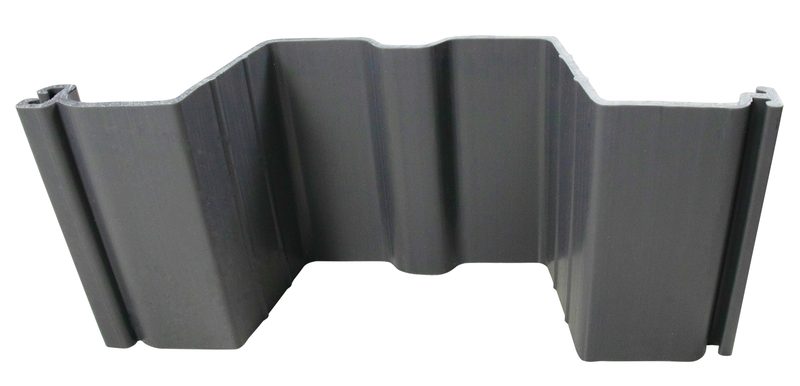
Identify the proposed PVC profile and request material information applicable to that product. Where the design includes gaskets, sealants, connectors or other exposed components, list those materials as well. Each relevant component needs an appropriate basis for review.
Ask the supplier to identify the basis and limits of any compatibility statement. Keep the product drawing and material description with that response so it is clear which proposed configuration was assessed.

Read test evidence in context
For a report, check specimen identity, reagent, concentration, temperature, exposure period and the properties evaluated. ASTM D543 provides practices for evaluating plastics against chemical reagents, but its guidance also recognizes that service relevance depends on the similarity between the test and actual use. A short exposure should not be treated as a stand-alone prediction of long-term immersed performance.
Agree which evidence and acceptance criteria the project needs. If conditions fall outside the available information, record the gap for technical review before a suitability decision is made.
Prepare a focused inquiry
Send XILAI the wall layout, proposed profile, media analysis, concentrations, temperatures, contact pattern and any required evaluation method. Include the intended service conditions and the joint materials specified by the project. This gives the supplier and responsible designer a clearer basis for discussing the proposed PVC sheet pile system.