

PVC Sheet Pile for Aquaculture Ponds: Plan Pond Walls and Water Control Details
PVC Sheet Pile for Aquaculture Ponds
Aquaculture ponds often need clear boundaries between water, service routes and surrounding ground. PVC sheet pile can be considered for pond edges, dividing walls, channels and other controlled-water areas when the profile, elevation and wall detail are coordinated with the project layout. The purchase decision is stronger when the team defines the operating conditions before it requests material.
This guide focuses on practical planning information for supplier review. It does not replace the project engineering needed to confirm soil conditions, water loads, groundwater effects, embedment, wall height, drainage, seepage control or any sealing requirement.
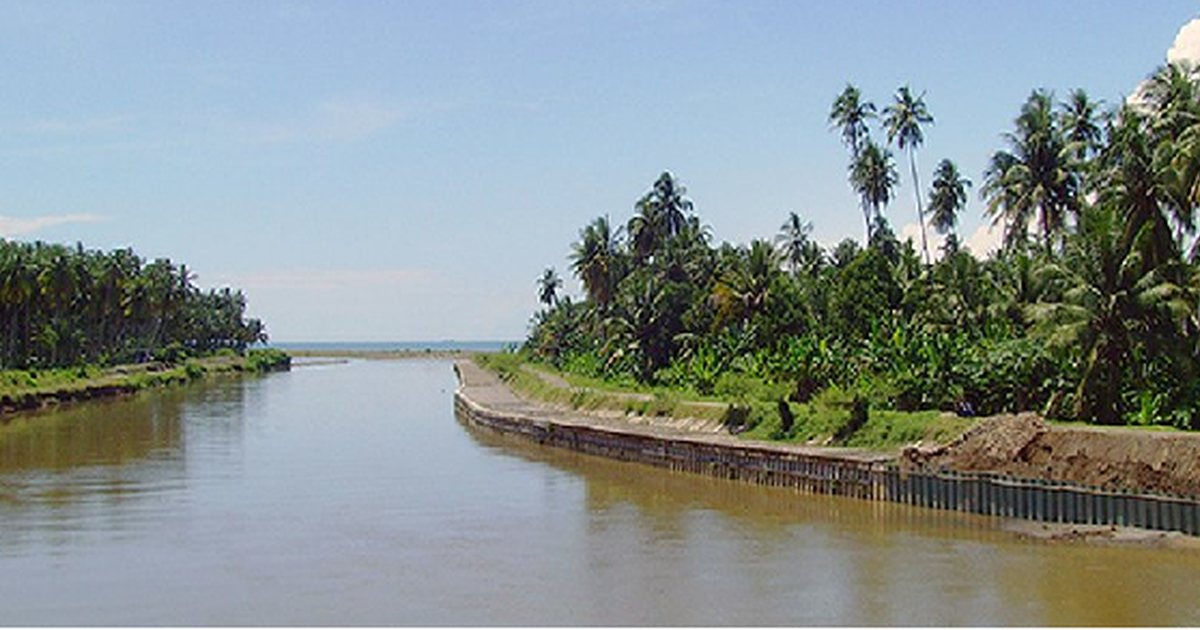
Figure 1. Real PVC sheet pile pond edge: pond geometry and water conditions should be defined before material is ordered.
Start with the pond layout and operating conditions
A pond wall is part of a working water system, not only a line on a site plan. Mark the pond perimeter, channels, dividing walls, access roads, pump areas and discharge points. Then identify the normal water level, the expected operating range and any area where water may be temporarily lowered for cleaning or harvesting. These points help the team decide where a visible wall edge, a return, an opening or a ground transition needs attention.
Planning item | Information to confirm |
Pond function | Whether the line separates ponds, supports a channel edge, defines a service area or manages a transition between water and surrounding ground. |
Water levels | Normal operating level, expected fluctuation and any temporary drawdown condition that affects the visible wall or adjacent ground. |
Layout geometry | Straight lengths, corners, returns, narrow channels and the locations of inlets, outlets, ramps or other planned openings. |
Site access | Working space for delivery, storage, installation equipment and later pond operations without blocking the planned route. |
Design inputs | Soil information, groundwater and the engineer's required wall level, embedment, drainage and sealing details. |
Define the PVC sheet pile work within the complete pond detail
The material request should connect the PVC sheet pile profile with a clearly identified wall line and finished level. Provide the approved profile or system, estimated sheet lengths, wall top elevation and the location of corners, ends and transitions. Where a pond lining, concrete edge, pipe penetration or outlet structure meets the wall, show that interface in the project drawing rather than leaving it as a site decision.
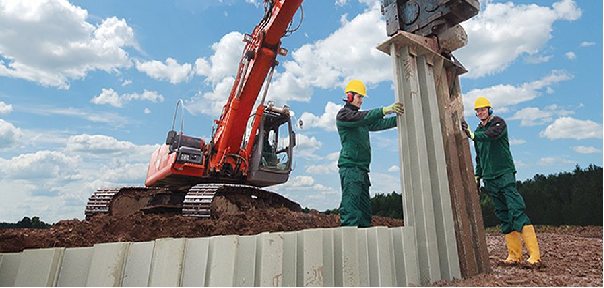
Figure 2. Real site installation: access, equipment space and transitions should be coordinated with the approved installation method.
Plan the water and ground interfaces
The most important details are often where conditions change. A pond wall may meet an access bank, a channel, a pipe opening or a return into higher ground. Identify the intended top level and the route for surface runoff so water does not simply collect behind the wall. The project engineer should confirm how the wall, ground, drainage and any liner or seal detail work together for the site conditions.
Transition area | Question for the drawing review |
Pond edge to access bank | How will the wall top, finished ground and vehicle or foot access meet without creating an unplanned low point? |
Channel to pond | Where does the wall line turn, end or continue, and how will the inside and outside corners be detailed? |
Inlet and outlet locations | Which party defines the opening, pipe support, seal or structural detail so it is compatible with the water-control design? |
Liner or concrete connection | What approved interface detail will connect the adjacent construction to the PVC sheet pile wall? |
Runoff and drainage | Where will surface water move during rainfall, and what drainage detail has the project design specified behind or beside the wall? |
Coordinate delivery and installation access
Pond projects can have soft edges, limited turning space and active water areas. Confirm a safe unloading point, the route to the installation line and a clean storage area that protects profiles from unnecessary handling damage. The installation sequence, guides, equipment and any temporary works should follow the approved method and site safety plan. A clear layout also helps prevent a late change at a corner or opening after material has already been delivered.
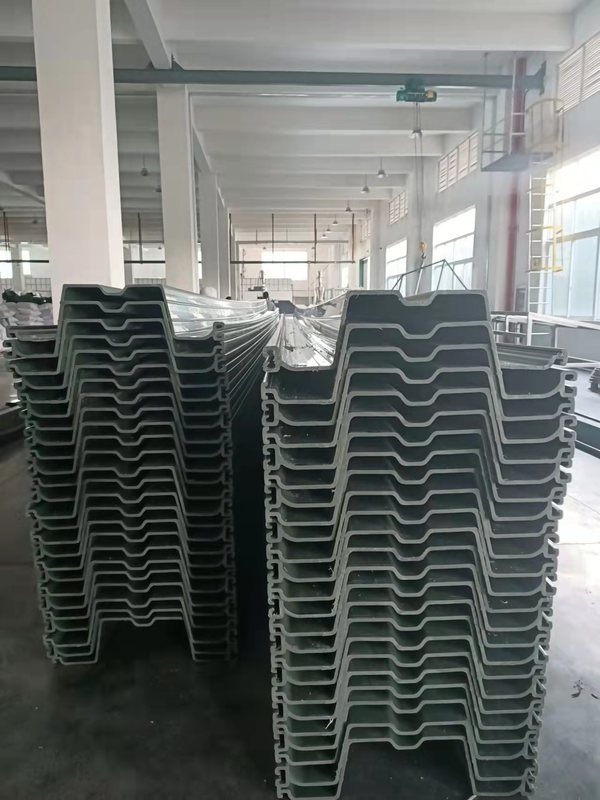
Figure 3. Real PVC sheet pile stock: confirm profile identity and dispatch handling before pond delivery.
Information for supplier review
A supplier can review a request more effectively when the practical project information is complete. Send the layout and section drawings alongside the material list. If project conditions are still being finalized, identify which items are provisional so that profile selection, quantities and accessories are not treated as final engineering decisions.
Include in the request | Why it helps |
Pond layout and wall line | Shows the perimeter, channels, returns, openings and any location where a transition may affect quantities or accessories. |
Section and finished levels | Connects the visible wall height and top level to the project design rather than a general product description. |
Profile and estimated quantity | Lets the supplier check the request against the intended PVC sheet pile system and packing plan. |
Soil and water context | Gives the engineer and project team the background needed to confirm the appropriate wall and water-control detail. |
Delivery and access notes | Helps plan pack lengths, unloading, storage and the route to the pond installation area. |
Conclusion
PVC sheet pile for aquaculture ponds should be planned as part of the pond water-control detail. Start with the layout and operating water levels, define the wall line and transitions, and share the ground and drainage context for engineering and supplier review. This gives the project team a clearer material request and a more practical basis for coordinating the finished pond edge.