
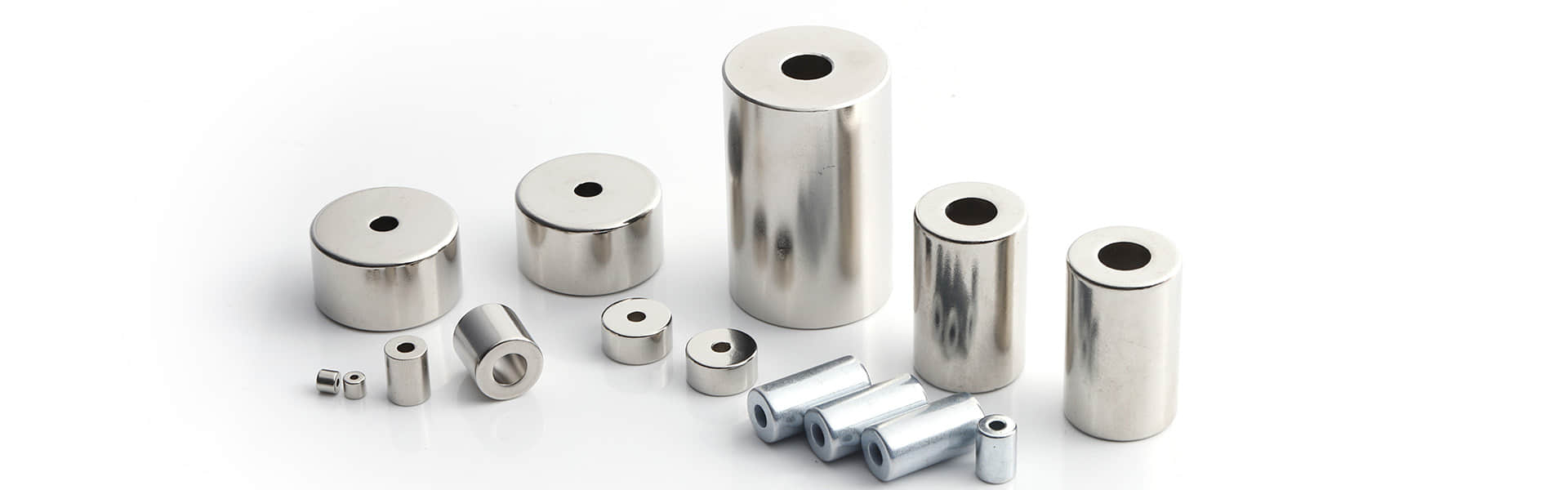
Storing Neodymium Magnets Before Assembly: Protect the Parts and Their Identity
After receiving inspection, neodymium magnets may remain in stock before assembly begins. During that interval, the practical goal is to preserve both their physical condition and their connection to the approved part definition. A familiar shape or finish is not enough to identify the correct production magnet.
Keep identification with the material
Retain the part number, drawing revision, lot information and inspection status with each container. If a delivery is divided into smaller quantities, transfer the relevant identification at the same time. Keep similar-looking parts in clearly identified locations.
Include any required polarity or orientation reference in the issue instructions. Operators should be able to select the approved part without relying on memory or comparing it with an unlabelled sample.
Preserve the protective arrangement
Use the agreed packaging and handling arrangement when material moves between receiving, storage and assembly. Keep the intended separators, pockets or protective sleeves with the parts. Strong attraction can bring magnets together abruptly, and the brittle material can chip or crack under impact.
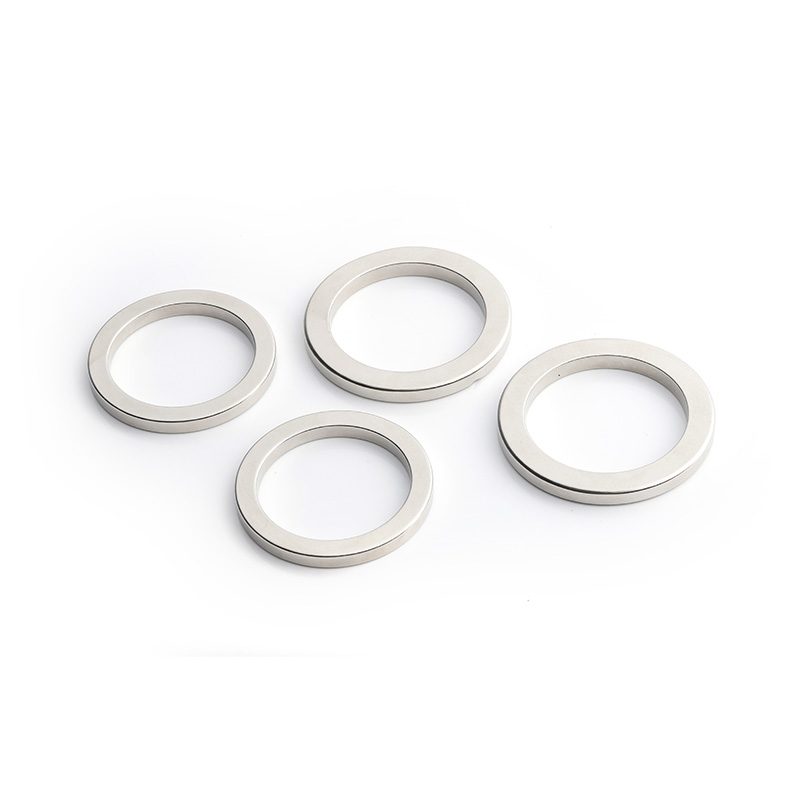
Where smaller issue packs are needed, agree a suitable repacking method rather than placing loose pieces into a shared container. Record the quantity and identity on the new pack so physical protection and traceability are maintained together.
Review the storage environment
Follow the supplier's storage information for the supplied coating and packaging. Moisture can cause corrosion of neodymium magnet material; ordinary nickel plating should not be treated as waterproof protection. Keep packaging condition and any evidence of moisture exposure visible to the stock-control team.
Agree any project-specific storage conditions before delivery. If the intended storage period or environment differs from the information supplied, request clarification instead of inventing a general shelf-life limit.
Control issue and return to stock
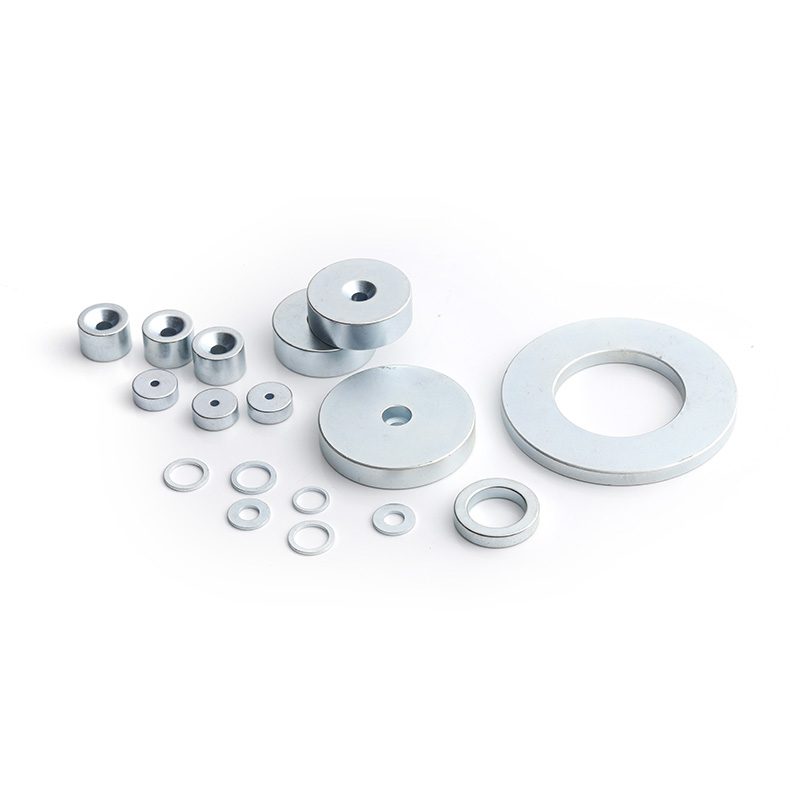
Record which part and lot were issued to an assembly order. Return unused material only when its identity, condition and quantity are clear. Keep uncertain parts separate for review rather than mixing them into accepted stock.
If chips, cracks, coating damage or corrosion are observed, identify the affected material and document the finding. Use the agreed disposition process before returning it to production. A quick attraction check does not resolve a visible-condition concern.
Confirm requirements with the supplier
Tell XILAI how the magnets will be stored, divided into issue packs and supplied to assembly. Include the expected holding period, identification needs and any special environmental requirements. Agree the packaging, labels and supporting information with the order so the receiving and production teams can use one consistent reference.