
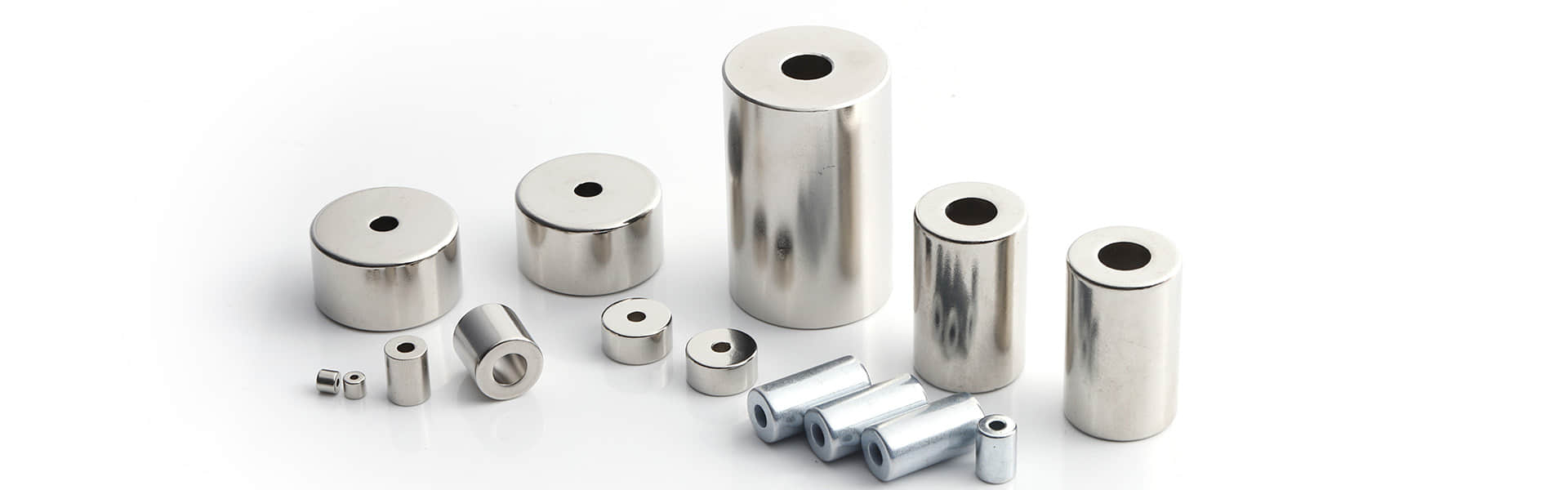
Need a Different Magnet Size or Hole? What to Confirm Before Changing a Finished Part
A prototype may reveal that a magnet needs a different thickness, an added hole or more mounting clearance. Treat that finding as a part-definition change before ordering production quantities. The supplier needs to understand the required finished geometry and the function it must preserve.
Describe the fit problem first
Provide the assembly drawing and identify where the current part does not fit. Show the required clearance, exposed face, working gap and mounting method. Include the existing magnet reference so the supplier can compare the proposed change with the original part.
Separate essential dimensions from preferences. A clear explanation of the assembly problem allows the project team to consider a revised magnet or a change to its holder without losing sight of the required function.
Review finished-part modification with the supplier
Sintered neodymium magnets are hard and brittle. Conventional drilling or cutting can damage the part, and machining can generate heat and flammable dust. Finished magnets should not be treated like ordinary steel components for workshop modification. Request supplier review of the revised geometry instead.
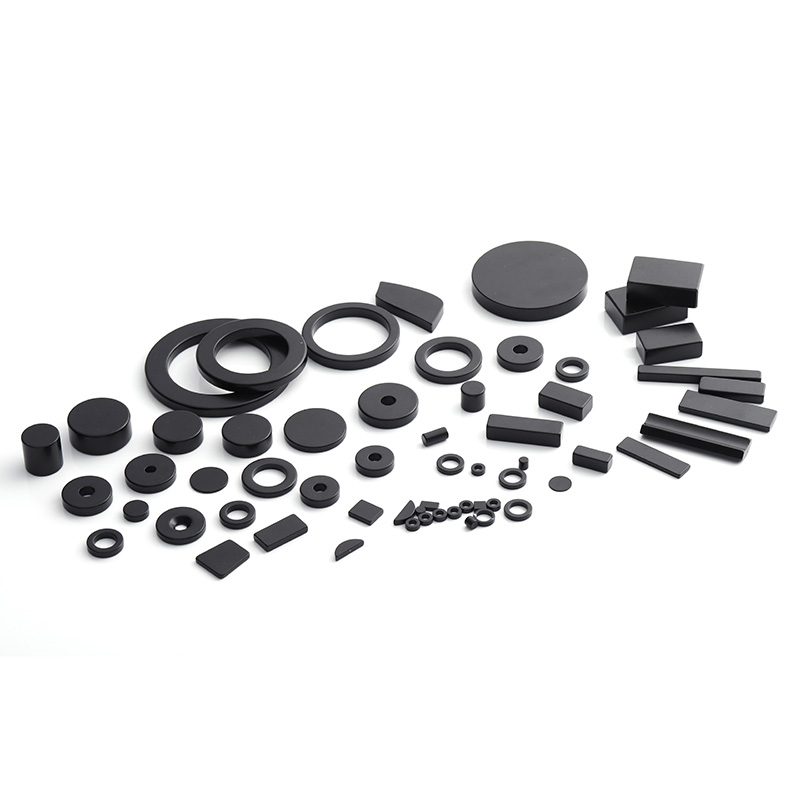
Ask whether the requested hole, recess or section is feasible for the proposed product and process. Obtain a drawing for the intended finished part before approving a replacement or a production batch.
Keep the complete specification together
A dimensional change should remain linked to the coating, material grade, magnetization direction and relevant marking requirements. Show which face approaches the target or sensor and whether the revised geometry changes its position in the assembly.
If a hole is needed for a fastener, include the mating hardware and seating detail for review. Avoid assuming that a hole diameter alone fully defines the mounting interface.
Approve the revised sample
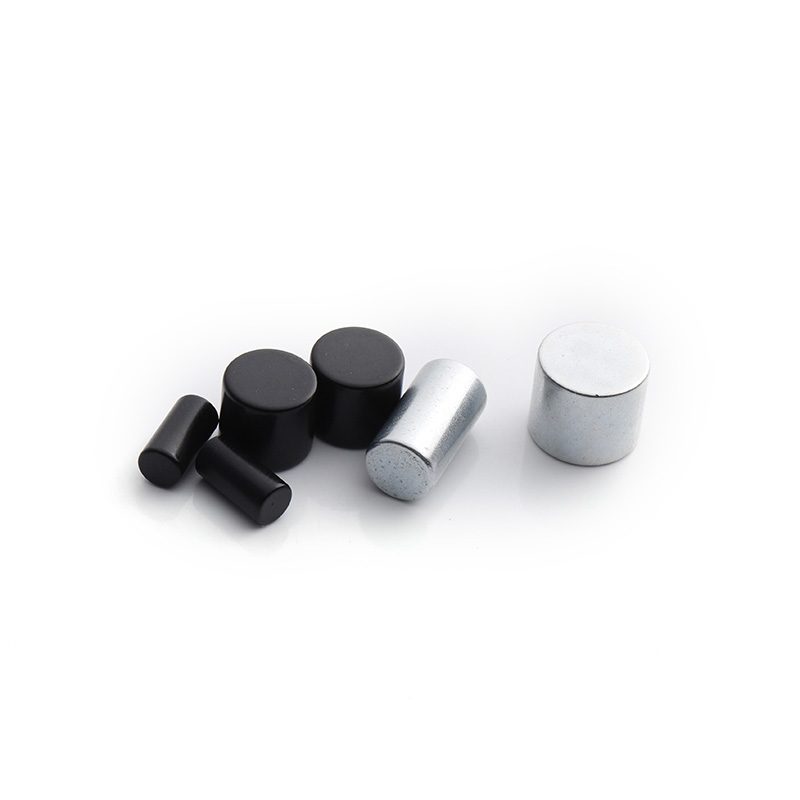
Use the updated drawing to check the sample's finished dimensions and mounting arrangement. Verify the relevant magnetic function in the actual assembly under the agreed conditions. A part that now fits may still need a functional check if its geometry or working position has changed.
Record the sample identity, drawing revision and review outcome. Resolve open points before releasing production, and retain the approved reference so receiving inspection uses the same requirements.
What to send with a change inquiry
Send XILAI the original part information, revised assembly drawing, required finished dimensions, hole or mounting details, coating and pole direction. Include the prototype issue, quantities and validation requirement. These details help the supplier discuss a suitable production part rather than leaving the change to an informal adjustment after delivery.