
Neodymium Magnet Coatings: Select a Surface Finish for the Application
Neodymium Magnet Coatings
Neodymium magnets are commonly supplied with a protective coating because the magnet material, finished dimensions and final assembly environment need to be considered together. A coating choice is not only a colour or appearance choice. It can affect the finished part definition, the fit at an interface, the visual reference used for approval and the way the part is handled through production.
This guide supports clear communication between a buyer, designer and supplier. It does not replace application testing or responsible engineering review, particularly where the part is exposed to demanding conditions or used in safety-relevant equipment.
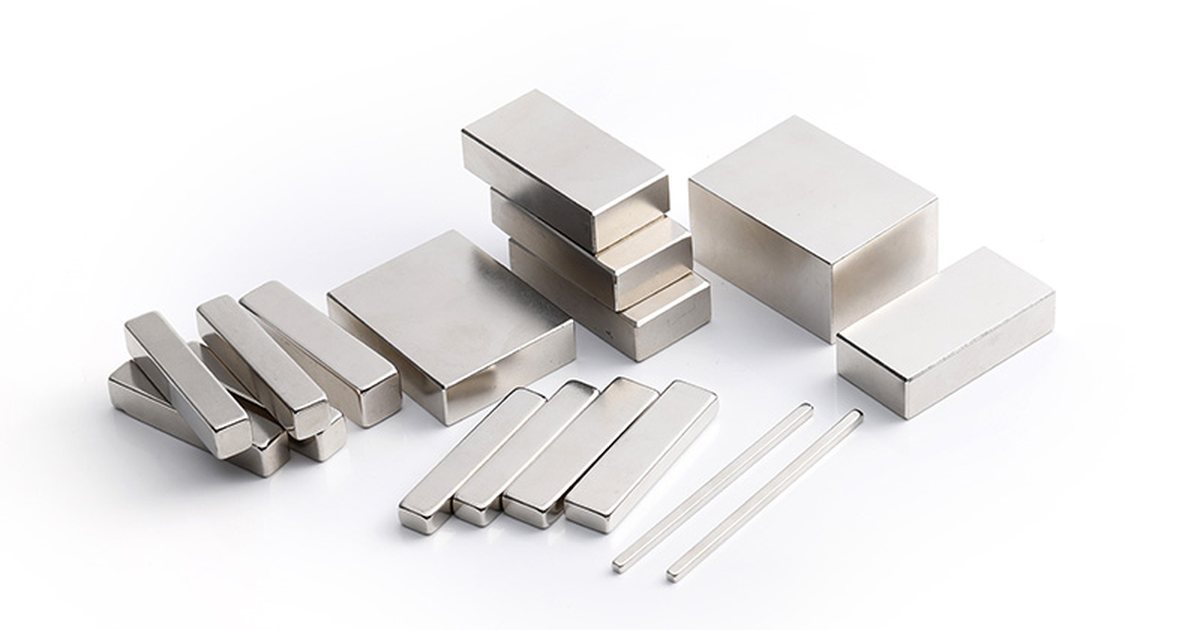
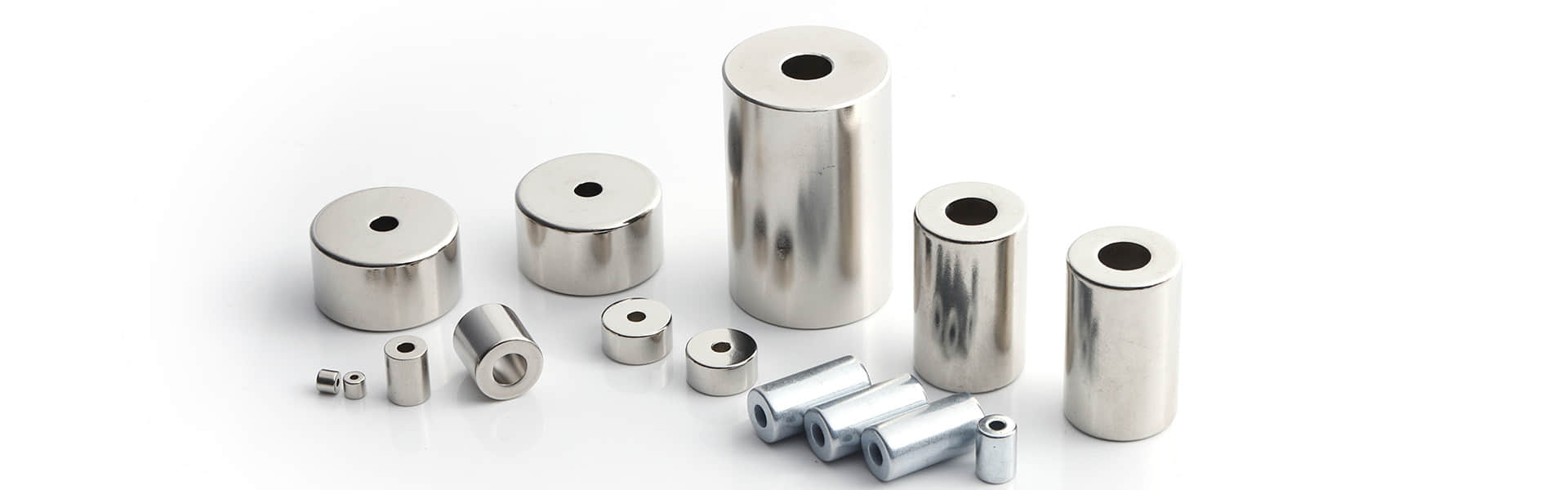
Figure 1. Real nickel-plated neodymium magnets: finish selection begins with the actual application and assembly conditions.
Start with the real exposure and assembly conditions
The most useful coating request starts with where the magnet will operate and how it becomes part of the assembly. State the real conditions rather than relying on a finish name alone. This gives the supplier a practical basis for discussing a proposed surface finish, coverage and sample review plan.
Application input | Why it matters |
Operating environment | Humidity, liquid contact, salt, chemicals, dust and storage conditions can affect the surface-finish review. |
Temperature and process | Operating temperature and any curing, cleaning or assembly process should be considered with the magnet grade and finish. |
Mounting and handling | Adhesive bonding, mechanical retention, press fitting, fixtures and manual handling can influence the required surface condition. |
Critical interface | A locating pocket, air gap, mating component or contact surface may depend on the finished dimensions, not only the base magnet size. |
Visual requirement | Visible parts may need an agreed appearance reference, while concealed parts may place greater emphasis on fit and controlled coverage. |
Describe the finish as part of the part definition
Write the coating requirement alongside the material grade, geometry and magnetic requirement. A finish description should identify what is required on the finished magnet and which areas, dimensions or visual points need special attention. If coverage is limited, masked or controlled around a locating feature, show that clearly on the drawing or agreed specification.
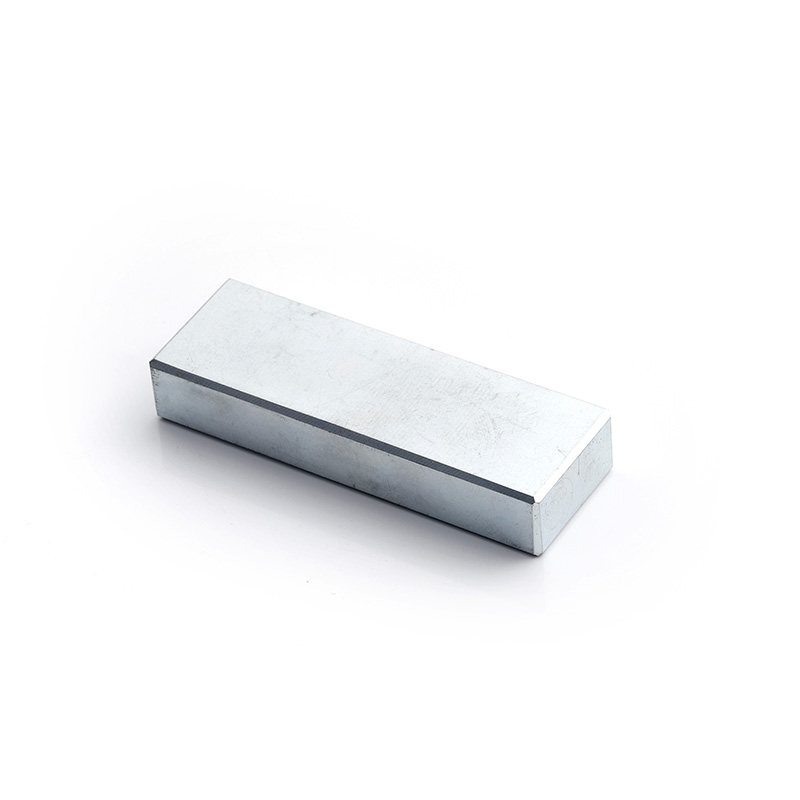
Figure 2. Real zinc-coated block magnet: the selected finish should be defined with the part geometry and the intended assembly interface.
Specification item | What to confirm |
Material and magnet grade | The requested grade, finished shape and stated magnetization requirement for the part. |
Coating or finish name | The agreed surface-finish description and any approved appearance reference. |
Coverage and masking | Whether the whole surface is required or whether selected faces, holes, edges or contact areas need a defined condition. |
Critical finished dimensions | Dimensions, clearances and fit points that apply to the coated part or must be reviewed with the finished condition. |
Inspection route | The visual, dimensional or application-specific checks expected for samples and, where agreed, production inspection. |
Allow for fit and contact surfaces
A coating belongs inside the final part envelope. When a magnet locates in a tight pocket, sits next to a sensor, bonds to another component or is used near a controlled air gap, the finished surface condition should be considered in the assembly review. Avoid adding a finish after critical interfaces have already been frozen without checking the impact on fit and handling.
· Identify the faces that locate, bond, contact another part or remain visible after assembly.
· State whether dimensions on the drawing refer to the finished coated magnet and flag any clearance that is particularly sensitive.
· Share the intended assembly method so the supplier can discuss practical sample checks rather than inferring the use from a product photo.

Figure 3. Real black epoxy-coated arc magnets: curved or contact surfaces benefit from a clear finished-part reference.
Use a sample to confirm the finished part
A new coating choice should be reviewed on an agreed sample before production release. The sample gives the project team a common reference for the finished appearance, the fit in the intended assembly and the acceptance points that matter to the application. Record any agreed update in the drawing or specification revision so the production request remains clear.
Sample review item | What to check |
Visual reference | Surface appearance, coverage, colour or finish reference and any agreed edge or contact-area condition. |
Assembly fit | Location in the pocket, clearance at interfaces, adhesive area or the relevant air gap in the completed assembly. |
Handling and mounting | The actual fixture, bonding, fastening or handling route that the assembly team expects to use. |
Application exposure | Any project-specific exposure or process condition that the responsible team needs to evaluate before approval. |
Identification and packing | Part identification, separation, protective packing and handling instructions needed for the approved condition. |
Information for supplier review
A concise RFQ with the information below avoids treating the coating as an afterthought. It gives the supplier enough context to comment on the proposed finished part and supports a focused sample approval path.
Include in the RFQ | Why it helps |
Released drawing and application summary | Connects the magnet geometry, working orientation and available assembly space to one controlled request. |
Desired coating and visual reference | Clarifies the finish expected on the finished part without relying only on a general colour description. |
Working environment and mounting method | Provides context for discussion of exposure, bonding, contact surfaces, fixtures and handling. |
Critical dimensions and coverage areas | Focuses the review on fit-sensitive features, visible faces and any locations with defined coverage or masking. |
Sample quantity and approval method | Lets both sides plan the visual, dimensional and application-specific checks before production is released. |
Conclusion
A well-specified neodymium magnet coating is part of the finished product definition. Start from the operating environment and assembly method, define the required coverage and fit-sensitive surfaces, then use an agreed sample to confirm the result. This approach makes the coating discussion more useful for both the supplier review and the finished assembly.