
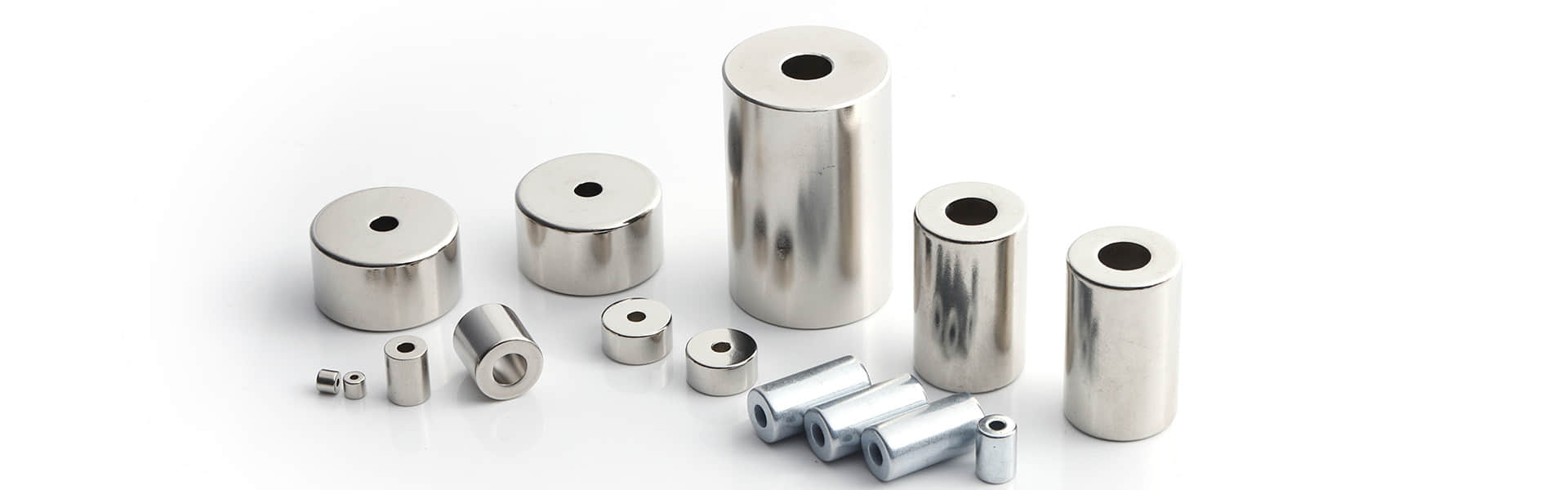
Neodymium Magnet Safety: Why Strong Magnets Can Be Dangerous and How to Handle Them
Introduction
Neodymium magnets are remarkable pieces of technology. A magnet the size of a coin can lift several kilograms of steel. A magnet the size of your palm can crush fingers or break bones if two snap together.
But with great strength comes great responsibility. Every year, emergency rooms see injuries from neodymium magnets—pinched skin, broken fingers, and even swallowed magnets (especially dangerous for children). Industrial accidents involving large magnets can be even more severe.
This safety guide covers:
The specific dangers of neodymium magnets
Safe handling procedures for different magnet sizes
Storage and shipping requirements
Emergency response if something goes wrong
Warning: This information is for educational purposes. Always consult your magnet supplier's specific safety documentation and follow all applicable workplace safety regulations.
The Four Main Dangers of Neodymium Magnets
| Danger | Description | Severity |
|---|---|---|
| Pinching and crushing | Two magnets snapping together can trap skin or fingers | High – can cause deep bruising, lacerations, or fractures |
| Flying fragments | Magnets that shatter send sharp, high-velocity pieces flying | High – eye injury risk |
| Ingestion (small magnets) | Children or pets swallowing multiple magnets | Critical – can cause intestinal perforation |
| Pacemaker interference | Strong magnetic fields can disrupt implanted medical devices | Critical – life-threatening |
Danger #1: Pinching and Crushing Injuries
When two neodymium magnets attract each other from a distance, they accelerate rapidly before impact. The force at impact can be many times their rated pull force.
Real-world examples:
| Magnet Size | Pull Force | Pinch Force at Impact | Potential Injury |
|---|---|---|---|
| 10mm × 5mm disc | 4 kg | 10–15 kg | Blood blister, bruise |
| 25mm × 10mm disc | 25 kg | 60–80 kg | Deep laceration, possible finger fracture |
| 50mm × 25mm block | 100+ kg | 200–300 kg | Crushed finger, broken bone |
| 100mm × 50mm block | 500+ kg | 1000+ kg | Amputation risk |
How pinch injuries happen:
Direct pinch – Skin caught between two magnets as they snap together
Rolling pinch – A magnet rolls over a finger while attracting to another surface
Trapped finger – A finger trapped between a magnet and a steel plate
Closing gap – Two magnets slowly brought together, suddenly snapping the last few millimeters
Safe practices to prevent pinching:
| Practice | Why It Works |
|---|---|
| Never put fingers between magnets | Obvious but often ignored in haste |
| Use non-magnetic spacers | Keep magnets separated when not in use |
| Slide, don't pull | Sliding requires less force and reduces pinch risk |
| Wear cut-resistant gloves | Provides some protection; not a substitute for technique |
| Use tools for large magnets | Mechanical separators keep hands away |
Danger #2: Shattering and Flying Fragments
Neodymium magnets are brittle. They are made from sintered metal powder, similar to ceramic. When two magnets snap together or a magnet strikes a hard surface, they can shatter.
What happens when a magnet shatters:
Fragments fly at speeds up to 30–50 km/h (20–30 mph)
Edges are razor-sharp
Fragments can travel 5–10 meters (15–30 feet)
Small fragments can embed in skin or eyes
Common shattering scenarios:
| Scenario | Why It Shatters |
|---|---|
| Two magnets snapping together from distance | High-velocity impact |
| Dropping a magnet on concrete floor | Hard surface, no cushion |
| Hammering or prying with metal tools | Point impact stress |
| Magnets twisting under load | Shear stress |
Safe practices to prevent shattering:
Never drop neodymium magnets onto hard surfaces
Catch falling magnets? No! Let them fall – don't try to catch
Use a soft surface (rubber mat, wood, cardboard) when handling
Don't hammer or pry – use proper separation techniques
Inspect magnets regularly – replace cracked or chipped magnets
Eye protection is mandatory when handling large neodymium magnets or any magnets in a workshop setting.
Danger #3: Ingestion (Especially for Children and Pets)
Small neodymium magnets (5–15 mm) are attractive to children and can be swallowed. Pets may also chew and swallow magnets.
Why ingestion is so dangerous:
One magnet alone may pass through the digestive system
Two or more magnets can attract each other through intestinal walls
This attraction can cause pinching, perforation, and tissue death
Requires emergency surgery; can be fatal if untreated
Statistics: The U.S. Consumer Product Safety Commission has received thousands of reports of magnet ingestion incidents, including multiple deaths.
Safe practices to prevent ingestion:
Keep all neodymium magnets away from children under 14
Store magnets in locked containers if children are present
Never leave small magnets unattended on workbenches or floors
Educate household members about the danger
If a magnet is swallowed, seek immediate medical attention – do not wait
For pet owners: Dogs, especially puppies, may chew magnets. Store magnets securely. If your pet ingests a magnet, contact a veterinarian immediately.
Danger #4: Medical Device Interference
Neodymium magnets create strong magnetic fields that can interfere with implanted medical devices.
Devices at risk:
| Device | Effect of Strong Magnetic Field |
|---|---|
| Pacemaker | Can switch modes, stop pacing, or cause inappropriate shocks |
| ICD (Implantable Cardioverter-Defibrillator) | May misinterpret magnetic field as heart arrhythmia |
| Insulin pump | May malfunction or change delivery rates |
| Neurostimulator | May turn off or change settings |
| Cochlear implant | May be damaged or demagnetized |
Safe practices for people with medical devices:
Maintain distance – Keep neodymium magnets at least 30 cm (12 inches) from the device
For large magnets (>10 kg pull force) – Maintain 60–100 cm (2–3 feet) distance
Do not carry magnets in chest pockets – Keep in pants pockets or bags
Post warning signs in areas where magnets are handled
Consult your doctor about specific distance recommendations
For workplaces: Consider implementing a "no magnets" policy in areas accessible to employees or visitors with medical devices.
Safe Handling by Magnet Size
Different magnet sizes require different precautions.
Small Magnets (under 20 mm diameter, under 5 kg pull force)
| Hazard Level | Low to Moderate |
|---|---|
| Handling | Can be handled by hand with care |
| Pinch risk | Low – may cause blood blisters |
| Shatter risk | Low – but possible |
| Recommended PPE | Safety glasses |
| Storage | Keep away from children, pets |
Technique: Slide apart or use thin plastic wedge.
Medium Magnets (20–50 mm diameter, 5–50 kg pull force)
| Hazard Level | Moderate to High |
|---|---|
| Handling | Use gloves and non-magnetic tools |
| Pinch risk | High – can cause deep bruising or laceration |
| Shatter risk | Moderate – treat with respect |
| Recommended PPE | Safety glasses + cut-resistant gloves |
| Storage | Wooden or plastic storage box; keepers recommended |
Technique: Use plastic wedge or scissor-type separator tool.
Large Magnets (over 50 mm diameter, over 50 kg pull force)
| Hazard Level | High to Extreme |
|---|---|
| Handling | Never handle by hand – use mechanical tools |
| Pinch risk | Extreme – can crush bones |
| Shatter risk | High – flying fragments can cause serious injury |
| Recommended PPE | Safety glasses + face shield + heavy gloves |
| Storage | Locked storage; keepers required; non-magnetic spacers |
Technique: Use screw-type or hydraulic separator tool. Two-person operation recommended.
Safe Storage of Neodymium Magnets
Proper storage prevents accidents and preserves magnet strength.
Storage guidelines:
| Do | Don't |
|---|---|
| Store with keepers (steel plates) to close magnetic circuit | Store loose in a metal box (hard to open, dangerous) |
| Use non-magnetic spacers(plastic, wood) between magnets | Stack magnets without spacers (very difficult to separate) |
| Keep in labeled containers away from steel surfaces | Store near credit cards, watches, electronics |
| Store in locked cabinet if children present | Leave magnets unattended on workbench |
| Keep separated by size – small away from large | Mix magnet types without planning |
Example storage setup:
Wooden or plastic box (non-magnetic)
Each magnet separated by plastic sheet or foam
Steel keeper plate on top to reduce external field
Label with size, grade, and pull force
Shipping Neodymium Magnets
Shipping strong magnets requires special precautions to protect workers and packages.
Shipping requirements (based on common carrier regulations):
| Requirement | Why |
|---|---|
| Steel keepers | Reduces magnetic field during transit |
| Non-magnetic spacers | Prevents magnets from snapping together |
| Strong outer packaging | Prevents breakage |
| Magnetic hazard label | Required for packages with surface field > 0.002 Tesla at 2.1m |
| Declare to carrier | Some carriers have restrictions on strong magnets |
Warning: Improperly packaged magnets can shift during transit, damage packaging, and injure handlers. They can also damage other packages (e.g., credit cards in mail).
Emergency Response
If a magnet shatters:
Stop and assess – Do not move suddenly
Close eyes – Protect from further fragments
Leave the area – Carefully walk away
If fragments in eyes – Do not rub; seek emergency medical care
Clean up carefully – Use a non-magnetic tool (plastic scoop) or sticky tape; fragments are sharp and magnetic
If fingers are pinched between magnets:
Do not pull – This will increase pain and damage
Slide apart – Use a non-magnetic wedge
If bleeding or severe pain – Seek medical attention
Watch for signs of fracture – Swelling, inability to move finger
If a magnet is swallowed (human or pet):
Do not induce vomiting
Seek immediate medical/veterinary attention
Bring the magnet packaging or specification if available
X-ray will be required to locate magnets
If a person with a pacemaker is exposed:
Move them away from the magnetic field
If symptoms (dizziness, chest pain, irregular heartbeat) – Call emergency services
Notify medical staff that magnetic exposure occurred
Safety Checklist for Working with Neodymium Magnets
Before handling any neodymium magnet, review this checklist:
| Item | Check |
|---|---|
| ☐ | Do I know the magnet's pull force and size? |
| ☐ | Is my work surface non-magnetic and soft (wood/rubber)? |
| ☐ | Am I wearing safety glasses? |
| ☐ | For medium/large magnets: Do I have cut-resistant gloves? |
| ☐ | For large magnets: Do I have mechanical separation tools? |
| ☐ | Are children and pets out of the work area? |
| ☐ | Are people with pacemakers at a safe distance? |
| ☐ | Do I have a storage plan for after use? |
Internal Links
How to Separate Strong Neodymium Magnets Without Injury
N35 vs N42 vs N52: Which Grade to Choose
How to Protect Neodymium Magnets from Rust
Conclusion
Neodymium magnets are powerful tools, not toys. Respect their strength and understand the risks:
Pinching can crush fingers
Shattering sends sharp fragments flying
Ingestion is a medical emergency
Medical devices can be disrupted
With proper handling techniques, safety equipment, and storage, you can work with neodymium magnets safely. When in doubt, use tools to keep your hands away from pinch points, always wear eye protection, and keep magnets away from children and pets.
For safety data sheets, handling training, or custom magnet assemblies with built-in safety features, contact our team.