
How to Pack and Ship Neodymium Magnets Safely: A B2B Packaging Checklist
A strong neodymium magnet can be made to the right grade, size and coating but still arrive damaged if the packing plan is treated as an afterthought. This practical guide explains how to protect parts, control attraction and prepare shipments for a smoother receiving inspection.
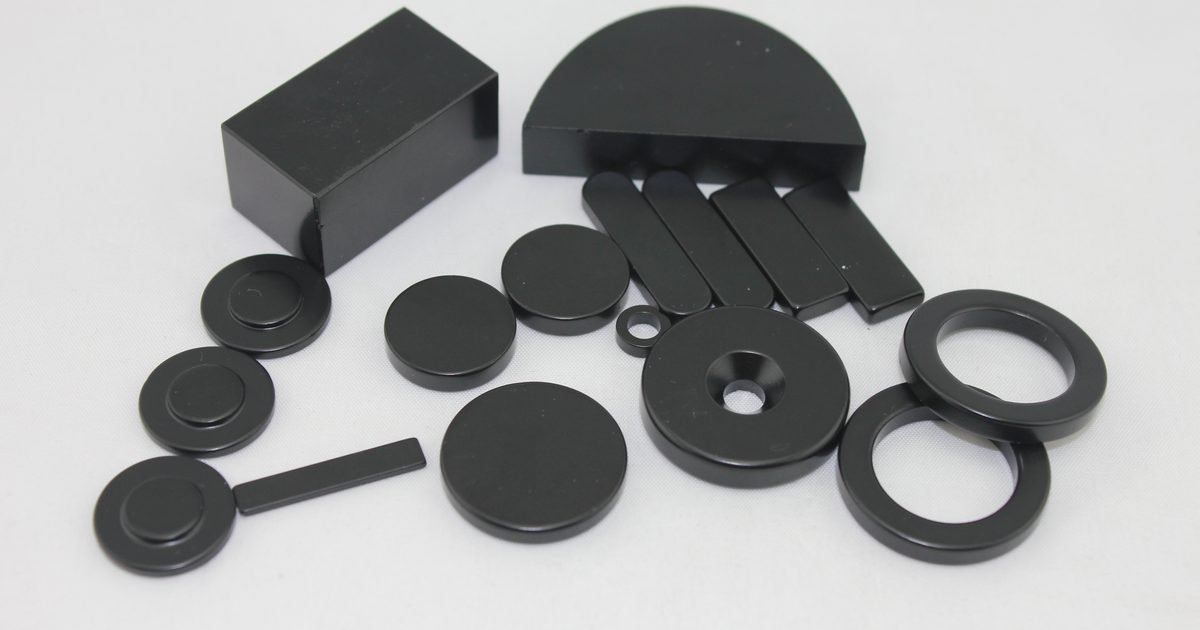
Figure 1. Real black epoxy-coated neodymium magnets in several common industrial shapes.
Why magnet shipments need a dedicated packing plan
Neodymium magnets create risks that ordinary metal parts do not. Loose parts can attract each other through a bag or carton, chip at an edge, damage a coating, or shift into an inconvenient position during unpacking. The same shipment can also need a review of its external magnetic field before it travels by air.
A useful plan separates two questions: how the parts are protected inside the carton, and how the completed package is prepared for its transport route. The answer depends on magnet strength, quantity, geometry, surface finish, whether the pieces are magnetized, and the carrier's current requirements.
1. Separate parts before they can collide
The first goal is to stop direct magnet-to-magnet impact. Use non-magnetic spacers, formed trays, foam pockets, plastic dividers or individual sleeves so each part has a controlled position. For thin discs or blocks, protect the broad faces as well as the edges; for rings and arcs, prevent one part from nesting or rotating into another.
Do not rely on a single loose polybag to hold a strong group of magnets. A bag can contain the parts, but it does not reliably absorb attraction forces or prevent edge contact. Build a stable inner pack first, then place that pack inside the protective outer carton.
2. Match protection to the coating and geometry
Sintered NdFeB magnets are hard but brittle. Corners, thin sections and sharp transitions deserve additional protection. A coating improves corrosion resistance, yet it can still be scratched, chipped or marked by repeated contact during transit.
Part condition | Practical packing focus |
Small discs or blocks | Use layer separators and edge clearance so stacked parts cannot strike each other. |
Rings, arcs or irregular profiles | Use shaped pockets or dividers to prevent rotation, nesting and point contact. |
Epoxy-coated magnets | Avoid abrasive contact; use clean, soft materials that will not mark the finish. |
Nickel-plated magnets | Protect polished surfaces and keep the pack dry, clean and stable during handling. |
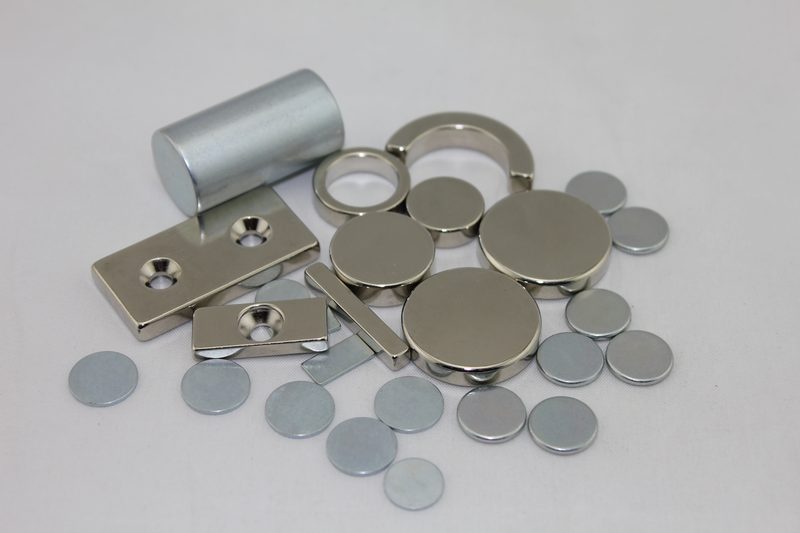
Figure 2. Real neodymium magnet shapes that call for different separators and pack-out geometry.
3. Plan for magnetic-field control before booking transport
The transport method matters. For shipments that may move by air, discuss magnetic-field handling early with the forwarder or carrier. They may require the shipment to be evaluated, packed with a suitable shielding approach, labeled, or accompanied by supporting information. Requirements can change by route and carrier, so a general rule of thumb should never replace confirmation for the actual shipment.
A sound packaging design aims to keep the magnetic field concentrated within the package while also protecting the parts. The exact approach should be matched to the magnet assembly, the quantity per carton and the transport method. If the product is an assembled magnetic device rather than loose magnets, provide the full construction details for review.
4. Keep the outer carton stable and traceable
Once the inner pack is secure, select an outer carton that leaves room for cushioning without allowing the product pack to move. Seal the carton for the expected handling cycle, protect it from moisture, and keep documents or labels legible. For repeated orders, use a packing specification so every batch follows the same approved sequence.
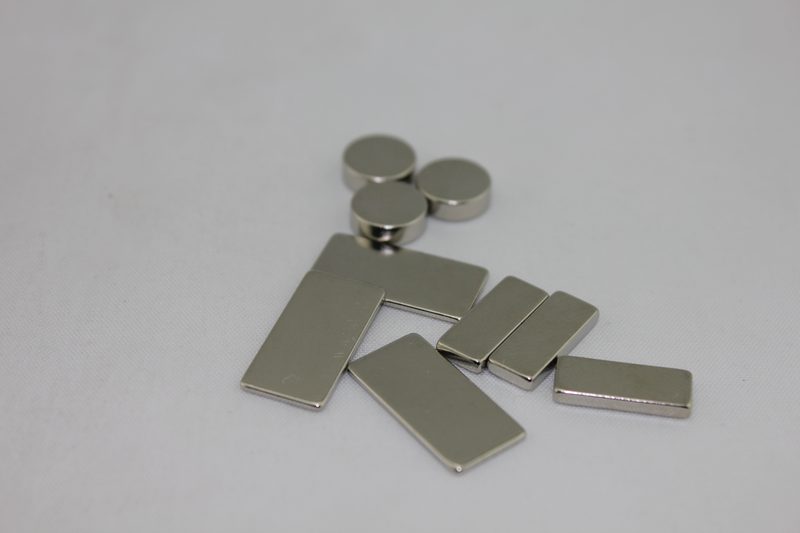
Figure 3. Real nickel-plated block and disc magnets prepared as individual components before controlled packing.
Information to retain | Why it helps at receiving |
Part number, grade and coating | Confirms that the correct material and finish have arrived. |
Quantity per inner pack and carton | Makes count checks faster and reduces handling of loose pieces. |
Lot or production reference | Supports traceability if inspection feedback is needed. |
Polarity or orientation note when relevant | Helps prevent assembly errors for directional or multipole parts. |
Transport and handling notes | Gives the receiving team appropriate precautions before opening. |
A simple pre-shipment checklist
Confirm the magnet type, coating condition, quantity and destination transport method.
Separate parts with non-magnetic spacers or formed packing; do not leave strong parts loose in a bag.
Protect brittle edges and cosmetic surfaces with clean cushioning materials.
Stabilize the inner pack in a suitable outer carton with no free movement.
Review air-shipment magnetic-field requirements with the appointed carrier or forwarder before dispatch.
Include clear part, lot, quantity and handling information with the shipment.
Request a packaging review
Xilai Technology supplies custom neodymium magnets and magnet assemblies in a range of shapes, grades and surface finishes. Send the drawing, quantity, destination and preferred shipping method so the packing approach can be reviewed together with the product specification.
SEO publishing details
Item | Publishing detail |
SEO title | How to Pack and Ship Neodymium Magnets Safely | Xilai Tech |
Meta description | Learn how to pack and ship neodymium magnets safely with spacers, protective packing, carton control and practical magnetic-field precautions. |
URL slug | /how-to-pack-ship-neodymium-magnets-safely/ |
Primary keyword | shipping neodymium magnets |
Secondary keywords | neodymium magnet packaging; magnet shipping safety; packing strong magnets; magnetic field shipping precautions |
Internal link suggestions | Neodymium Magnet Tolerances; Neodymium Magnetization Direction; Neodymium Magnet Grades; Neodymium Block Magnet |