
Neodymium Magnets in Pipeline Inspection and Cleaning (“Smart Pigs”)
Introduction
Across North America alone, over 500,000 kilometers of oil and gas pipelines have been in service for more than 30 years. Aging infrastructure, corrosion, and metal fatigue pose serious safety and environmental risks. Pipeline failures can cause catastrophic spills, explosions, and billions of dollars in damage.
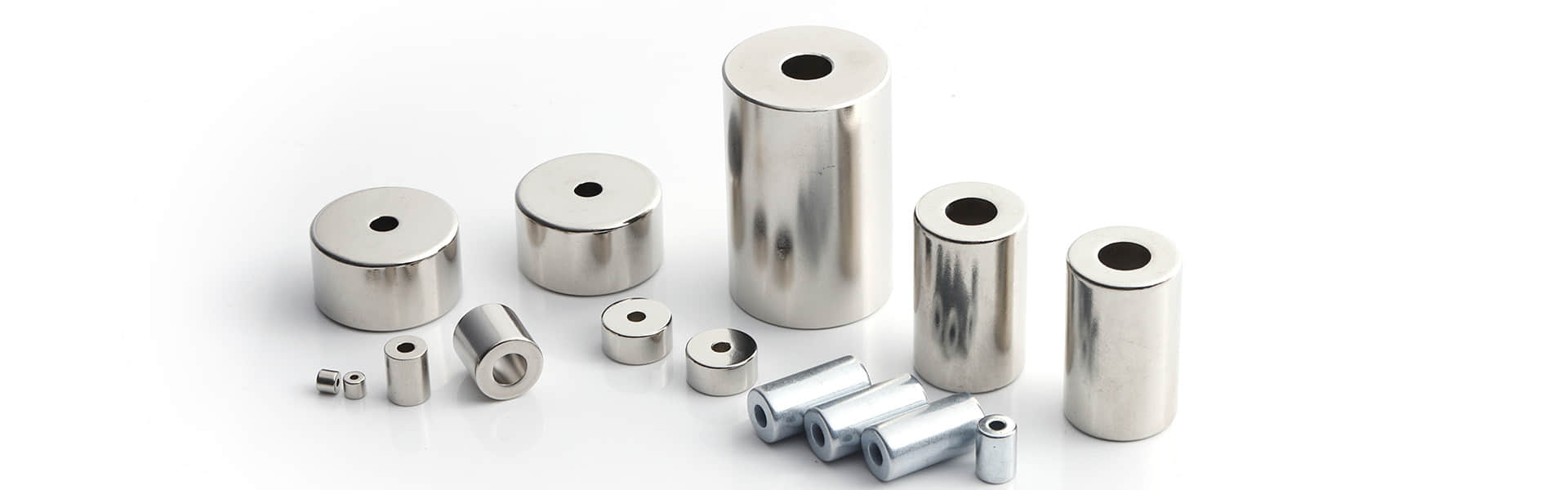
To prevent failures, pipeline operators use inline inspection (ILI) tools—commonly known as “smart pigs” or “intelligent pigs.” These devices travel inside pipelines, cleaning the interior and detecting defects before they become critical.
At the heart of many smart pigs are high-powered neodymium magnets. These magnets collect ferrous debris, detect corrosion and metal loss, and track the pig’s location within the pipeline.
This guide covers:
How magnetic smart pigs work
The role of neodymium magnets in pipeline inspection
Magnet specifications for ILI tools
Real-world industry developments and applications
Part 1: What Is a “Smart Pig”?
A pipeline inspection gauge (PIG)—commonly called a “pig”—is a device that travels through a pipeline, propelled by the product flow (oil, gas, or other fluids).
| Type | Function | Magnet Use |
|---|---|---|
| Cleaning pig | Removes debris, rust, scale, and wax buildup | Magnets collect ferrous debris |
| Inspection pig (smart pig) | Detects corrosion, cracks, dents, and metal loss | Magnets enable Magnetic Flux Leakage (MFL) testing |
| Combination pig | Cleans and inspects in one pass | Magnets serve both functions |
How a smart pig works:
The pig is inserted into the pipeline through a launcher
Product flow pushes it through the pipeline
Sensors collect data on pipe condition
The pig is retrieved at a receiver
Data is analyzed to identify defects
The neodymium magnet is the “engine” that enables the pig to detect metal loss and collect debris.
Part 2: Magnetic Flux Leakage (MFL) Inspection
2.1 What Is MFL?
Magnetic Flux Leakage (MFL) is the most common non-destructive testing method used in pipeline inspection.
How MFL works:
Neodymium magnets in the pig magnetize the pipe wall to near saturation
The magnetic field flows through the steel pipe wall
Where the wall is intact, the field flows uniformly
Where there is corrosion, pitting, or metal loss, the magnetic field “leaks” out of the wall
Sensors detect these leakage fields
The pattern and strength of leakage indicate the size and location of defects
Why neodymium is essential: NdFeB magnets produce the high magnetic field strength (up to 1.4 Tesla) needed to saturate thick pipe walls. Weaker ferrite magnets cannot penetrate thick steel or create sufficient flux leakage for accurate detection.
2.2 How Strong Magnets Improve Inspection
| Magnet Property | Benefit for MFL Inspection |
|---|---|
| High remanence (Br) | Saturates thick pipe walls (up to 25mm) |
| High coercivity (Hcj) | Maintains field strength despite vibration and temperature |
| Stable field over time | Consistent calibration, reliable data |
| Compact size | Fits within the pig’s limited internal space |
Advanced magnet arrays: Modern smart pigs use custom magnet array designs to optimize the magnetic field distribution across the pipe circumference, ensuring full 360-degree coverage.
Part 3: Magnet Specifications for Pipeline Pigs
3.1 Grade Selection
| Grade | Suitability for Pipeline Pigs | Why |
|---|---|---|
| N42 | Good for smaller pipelines | Adequate for thin-wall pipes |
| N45 | Standard for most pigs | Good balance of strength and cost |
| N48 | High-performance pigs | Maximum field strength |
| N45SH | High-temperature pipelines | Resists demagnetization at 150°C |
Temperature consideration: Pipelines can operate at elevated temperatures, especially in oil and gas production environments. SH grade is recommended for such applications.
3.2 Coating and Protection
Pipeline pigs operate in harsh environments:
Corrosive fluids (water, H₂S, CO₂)
Abrasive debris (rust, sand, scale)
High pressure (up to 100+ bar)
Temperature extremes (from freezing to 150°C)
| Coating | Suitability | Notes |
|---|---|---|
| Epoxy | Preferred | Excellent chemical and abrasion resistance |
| Ni-Cu-Ni | Good for dry pipelines | May corrode in wet/sour service |
| Special encapsulation | Extreme environments | Complete sealing of magnets |
Industry trend: Manufacturers are developing special coating technologies to adapt magnets to pipeline conditions, including resistance to moisture and corrosive media.
3.3 Magnet Shape and Arrangement
| Configuration | Description | Application |
|---|---|---|
| Axial ring array | Magnets arranged in rings around the pig circumference | Standard MFL pigs |
| Segmented blocks | Arc segments forming a complete ring | Large-diameter pipelines |
| Custom arrays | Engineered field patterns | Specialty inspection requirements |
Design flexibility: Magnet suppliers offer multiple configuration options for different pipeline diameters and inspection needs.
Part 4: Real-World Industry Development
4.1 USA Rare Earth and Enduro Pipeline Services
In August 2025, USA Rare Earth (USAR) announced a partnership with Enduro Pipeline Services to develop and supply U.S.-made neodymium magnets for pipeline cleaning and inspection.
Key details:
Magnets will be installed on Enduro’s “intelligent pigs” or “smart pigs”
Magnets collect ferrous debris (rust, scale, welding debris) and detect corrosion
Production planned for early 2026 at USAR’s Stillwater, Oklahoma facility
The agreement represents a milestone for domestic magnet production in the U.S.
Industry significance: This partnership reflects a broader trend of reshoring rare earth magnet production for critical infrastructure applications. USAR’s Innovations Lab has also signed agreements with Moog (AI/data centers), PolarStar (aerospace/defense), and StudBuddy (residential construction).
4.2 The Growing Need for Pipeline Inspection
Market opportunity: As energy infrastructure ages and regulations tighten, the demand for high-performance neodymium magnets for pipeline inspection will continue to grow.
Part 5: Technical Challenges and Solutions
| Challenge | Solution |
|---|---|
| Demagnetization from vibration | Use high-coercivity grade (SH or UH) |
| Corrosion in wet/sour service | Epoxy coating or complete encapsulation |
| Field uniformity across pipe circumference | Custom magnet array design |
| Temperature variation along pipeline | Temperature-compensated calibration |
| Magnet retention under high pressure | Robust mechanical housing and bonding |
Future development: The industry is moving toward more efficient magnet designs that use less rare-earth material while maintaining or improving inspection performance.
Conclusion
Neodymium magnets are the critical enabling technology for modern pipeline inspection and cleaning:
| Application | Why Neodymium is Essential |
|---|---|
| MFL inspection | Saturates pipe wall to detect corrosion |
| Debris collection | Captures ferrous fragments (rust, scale, weld slag) |
| Pipeline tracking | Enables location detection |
| Cleaning | Removes metallic debris from pipeline interior |
Key takeaways for engineers and buyers:
Grade: N45 or N45SH for most pipeline applications
Coating: Epoxy for corrosion and abrasion resistance
Configuration: Custom arrays for different pipe diameters
Testing: 100% flux testing and matched magnet sets
As the world’s pipeline infrastructure ages, the demand for reliable inspection tools—powered by neodymium magnets—will only increase.
XiLaitech supplies high-grade neodymium magnets for pipeline inspection and cleaning tools. We offer N45SH magnets with epoxy coating, custom array configurations, and full flux testing. Contact us for ILI magnet specifications.