
China's Neodymium Export Controls Reshape Global Supply Chains
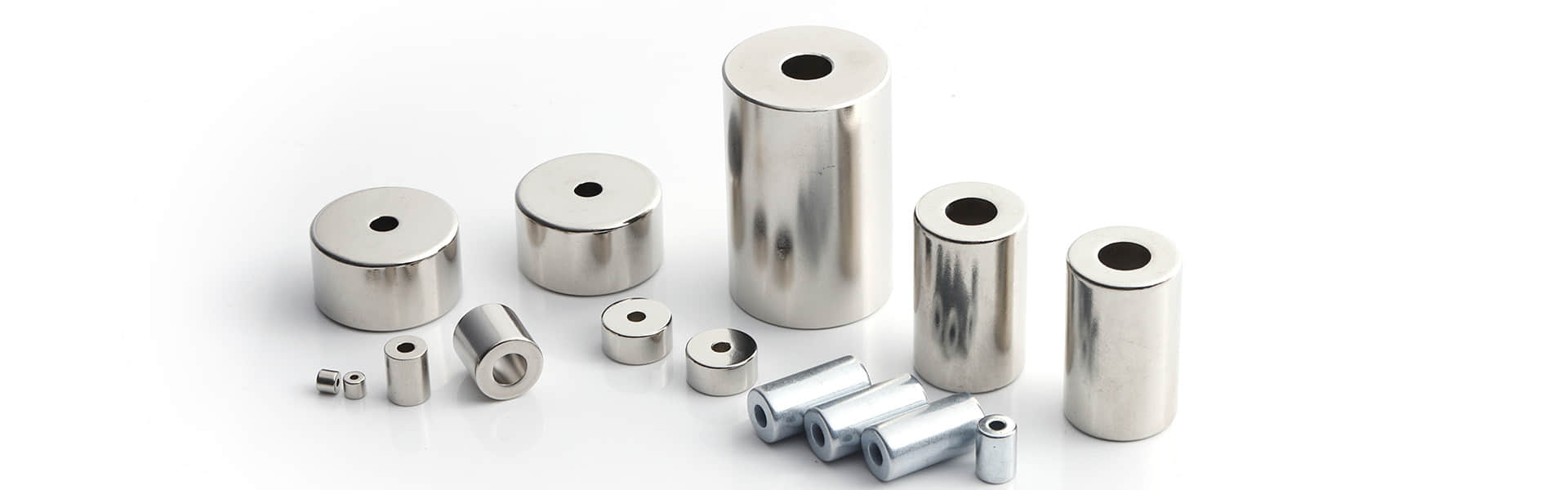
At present, our company can effectively deliver normal general purpose (non-military) NdFeB products.
The global neodymium magnet (NdFeB) market is navigating unprecedented turbulence following China’s strategic export restrictions. In April 2025, Beijing imposed controls on seven medium-to-heavy rare earth elements (Sm, Gd, Tb, Dy, Lu, Sc, Y) and NdFeB magnets containing terbium or dysprosium—critical materials for EVs, wind turbines, and defense systems. This move, initially a response to U.S. tariffs exceeding 145%, triggered a 19% YoY collapse in China’s rare earth exports in April 2025 (8,167 tons), worsening to a 31% drop in May (7,982 tons).
Policy Reversal and Licensing Mechanisms
By late May 2025, China pivoted unexpectedly, issuing export licenses to select magnet producers under a strict customer-specific approval system. This "batch-by-batch" licensing requires manufacturers to apply for permits for each export order, with authorities scrutinizing end-user applications and geopolitical alignment. The shift followed intense lobbying by Western industrial giants like Volkswagen and Tesla, whose supply chains faced paralysis. Export volumes partially recovered to 11,547 tons by June, though still below pre-restriction levels.
Global Supply Chain Adaptation Strategies
-Tariff circumvention via offshore production:
Major producers accelerated overseas expansions, establishing facilities in Hungary, Thailand, and Vietnam to bypass U.S./EU tariffs. This regionalization allows continued access to Western markets while leveraging China’s rare earth processing dominance.
-Technology-driven material reduction:
To mitigate dependence on restricted heavy rare earths (Tb, Dy), producers adopted grain boundary diffusion (GBD) technology, slashing heavy rare earth usage by 60–70% while maintaining magnet performance. This innovation reduces material costs by up to 28%, easing price volatility pressures.
-Diversification into emerging markets:
Exporters redirected focus to **ASEAN, India, and Gulf states**, where renewable energy and EV investments are surging. One producer reported 52% of overseas revenue now originating outside traditional Western markets.
Market Outlook and Strategic Risks
Despite licensing relaxations, the export landscape remains fraught with uncertainty:
-Geopolitical wildcards:
Export approvals remain tied to U.S.-China trade diplomacy. The May 2025 trade truce eased restrictions, but future tariffs or sanctions could again disrupt flows.
-Competitive threats:
Western initiatives like the U.S. Department of Defense’s $400 million partnership with MP Materials aim to build non-Chinese NdFeB capacity by 2026–2027, though Chinese firms still control 90% of global magnet production.
The Path Forward
For global manufacturers, resilience now requires:
Multi-sourcing partnerships:Securing contracts across licensed producers to hedge against individual permit delays.
Inventory buffering:Maintaining 2–3 months of rare earth stocks (as industry leaders now do) to absorb shipment delays.
Lightweight design integration:Collaborating with OEMs to reduce magnet content per unit—e.g., Tesla’s next-gen motors use 15% less NdFeB via optimized flux pathways.
While China’s licensing framework offers temporary supply relief, its export controls have irrevocably exposed the fragility of concentrated rare earth supply chains. The race for diversified sourcing and material innovation will define the next decade of high-tech manufacturing. As IDTechEx forecasts, global NdFeB demand will surge past 330,000 tons annually by 2036—making today’s supply chain realignment not merely strategic, but existential.