
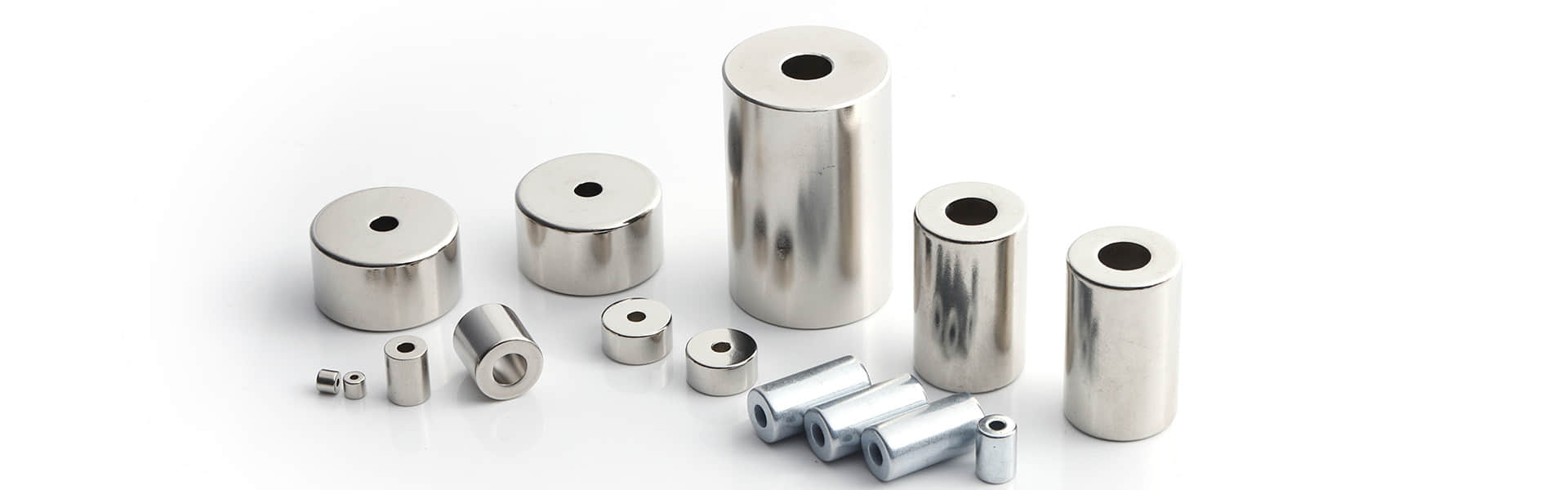
N35 vs N42 vs N52 Neodymium Magnets: Performance, Cost, and When to Use Each
Introduction
Neodymium magnets (NdFeB) are the strongest permanent magnets available, but not all neodymium magnets are created equal. The grade—such as N35, N42, or N52—determines the magnetic strength, maximum operating temperature, and overall performance.
If you’re an engineer, manufacturer, or DIY enthusiast, understanding these grades is essential to avoid over-specifying (and overspending) or under-specifying (and getting weak performance).
In this guide, we’ll compare N35 vs N42 vs N52, explain their key differences, and help you choose the right grade for your application.
What Do Neodymium Magnet Grades Mean?
Neodymium magnet grades are represented by a letter and number, e.g., N42.
The number indicates the maximum energy product in MGOe (Mega Gauss Oersteds). Higher numbers = stronger magnetic field.
The letter (N, M, H, SH, etc.) indicates the temperature rating. “N” stands for standard (up to 80°C). Grades with letters like M, H, SH are for higher temperatures.
For this comparison, we focus on standard “N” grades—N35, N42, N52—since they are the most common in general applications.
Quick Comparison Table
| Grade | Max Energy Product (MGOe) | Remanence (Br) | Coercivity (Hc) | Max Operating Temp | Relative Cost | Typical Applications |
| N35 | 33–36 MGOe | 11.7–12.1 kGs | ≥ 10.9 kOe | 80°C (176°F) | Low | General industrial, sensors, holding |
| N42 | 40–43 MGOe | 12.8–13.2 kGs | ≥ 11.5 kOe | 80°C (176°F) | Medium | Motors, generators, magnetic separators |
| N52 | 50–53 MGOe | 14.2–14.6 kGs | ≥ 11.0 kOe | 80°C (176°F) | High | High-performance motors, EV, aerospace |
Note: Values are approximate; exact specs vary by manufacturer.
N35: The Cost-Effective Workhorse
N35 is the most common and affordable neodymium magnet grade. It offers a good balance of strength and cost, making it suitable for many general-purpose applications.
When to choose N35:
Your application doesn’t require maximum magnetic strength
You’re working with a tight budget
The magnet will be used in non-critical holding, sensing, or attaching applications
You need larger quantities where cost savings matter
Example applications:
Magnetic catches for cabinets and doors
Holding magnets for jigs and fixtures
Magnetic sensors and reed switches
DIY projects and crafts
Advantages: Low cost, widely available, sufficient strength for most standard uses.
Limitations: Not the strongest; if you need to reduce size and weight, a higher grade might be better.
N42: The Balanced Choice
N42 sits between N35 and N52 in both performance and price. It offers roughly 20–25% stronger magnetic field than N35 for the same size, making it a popular choice for industrial applications where space is limited.
When to choose N42:
You need stronger magnetic force without increasing magnet size
Your budget is moderate but you still want reliable performance
The application involves motors, generators, or magnetic assemblies
Example applications:
Brushless DC motors (BLDC)
Magnetic separators in food processing
Holding systems for machining
Automotive sensors and actuators
Advantages: Good strength-to-cost ratio, widely available, can replace N35 in space-constrained designs.
Limitations: More expensive than N35; still limited to 80°C operating temperature (unless you choose a higher temp grade like N42SH).
N52: Maximum Strength in Compact Size
N52 represents the highest available grade for standard neodymium magnets. It delivers the strongest magnetic field per unit volume—about 30% stronger than N35 and 15% stronger than N42 for the same dimensions.
When to choose N52:
Size and weight are critical (you need maximum strength in the smallest package)
You’re designing high-performance motors, EV components, or aerospace systems
Budget is less of a concern than performance
Example applications:
Electric vehicle (EV) motors and generators
High-efficiency wind turbine generators
Medical devices (MRI, surgical tools)
Aerospace actuators
Premium magnetic assemblies where every millimeter counts
Advantages: Maximum magnetic strength, allows for smaller and lighter designs.
Limitations: Higher cost, more brittle and harder to machine, still limited to 80°C (unless you select a high-temp version like N52SH).
Temperature Considerations: N, M, H, SH
All three grades above are “N” rated, with a maximum operating temperature of 80°C (176°F) . If your application involves higher temperatures, you must choose a grade with a higher temperature rating, such as:
N42M – up to 100°C
N42H – up to 120°C
N42SH – up to 150°C
When temperature rises, magnetic strength decreases. For high-heat environments, selecting the right temperature grade is often more important than choosing between N35, N42, or N52.
Which Grade Should You Choose?
Use this decision flowchart:
Do you need maximum strength in a small size?
→ Choose N52Is your budget tight but you need decent strength?
→ Choose N35Do you want a balance of strength and cost, especially for motors or industrial assemblies?
→ Choose N42Will the magnet be exposed to high temperatures (over 80°C)?
→ Select a higher temperature grade (M, H, SH) regardless of N numberAre you unsure?
→ Start with N42 – it’s the most versatile and commonly used for industrial applications.
Internal Links to Explore Further
What is a Neodymium Magnet? How Are They Made
How to Calculate the Pull Force You Need (link to article 2)
Coated vs Uncoated Neodymium Magnets
Conclusion
Understanding neodymium magnet grades helps you optimize both performance and cost.
N35 is the affordable workhorse for general use.
N42 offers the best balance for many industrial applications.
N52 delivers maximum strength when space is limited.
Still unsure which grade fits your project? Contact our engineering team – we’ll help you select the right magnet based on your exact requirements.